Lichen

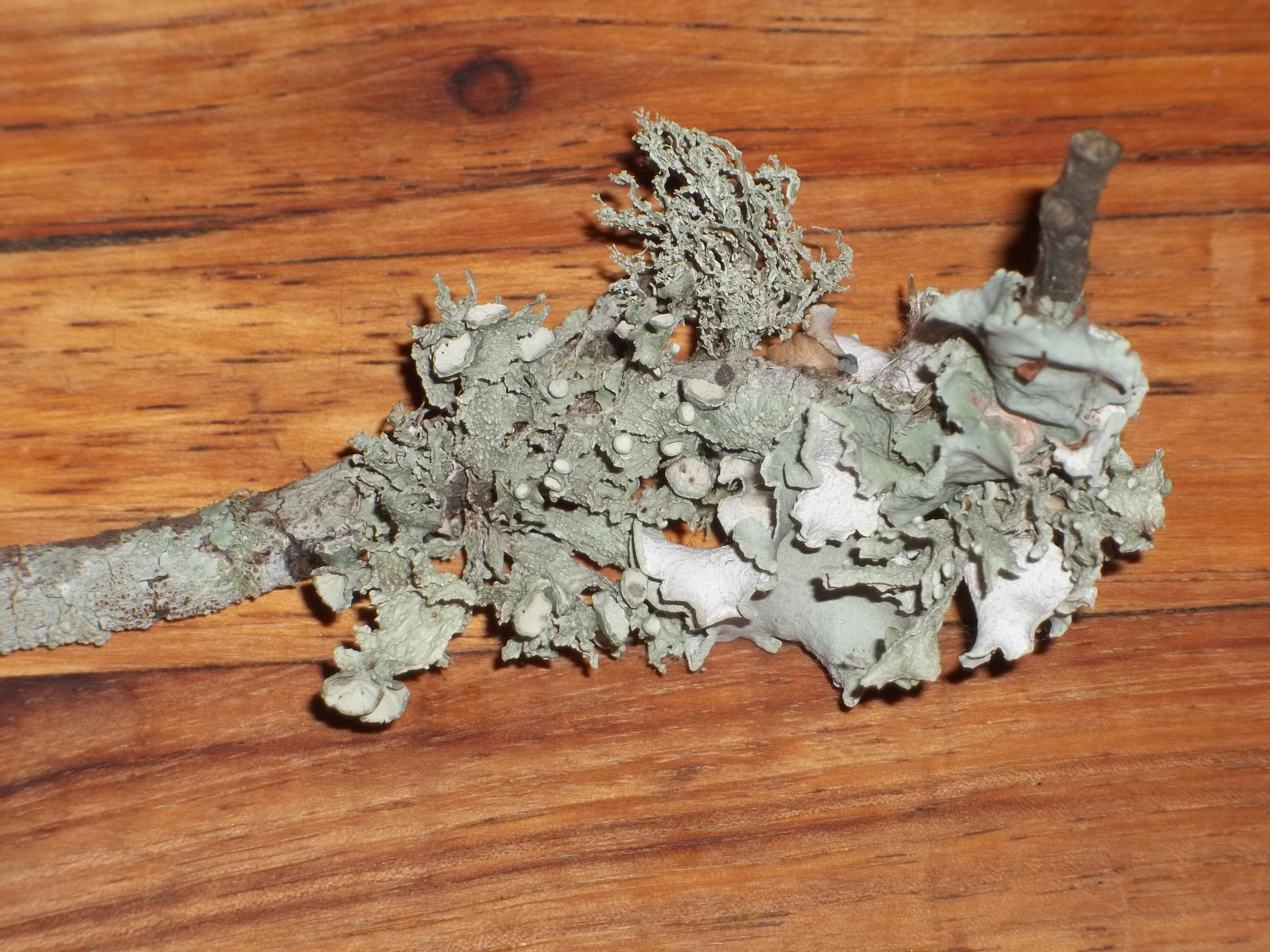
Lichens are intriguing. Often the first form of life to colonise a new area of rock, they are commonly seen and also commonly overlooked. They frequent older buildings, stone walls, and most perennial plants, particularly trees. Lichens are important because they often occupy niches that, at least sometime during the season, are so dry, or hot, or sterile, that nothing else will grow there.

In the hot and dry times in my life that seem unproductive, it may be that Grace is growing a bit of lichen – some small ruffled newness that needs no notice but still proclaims life and growth.

Yes

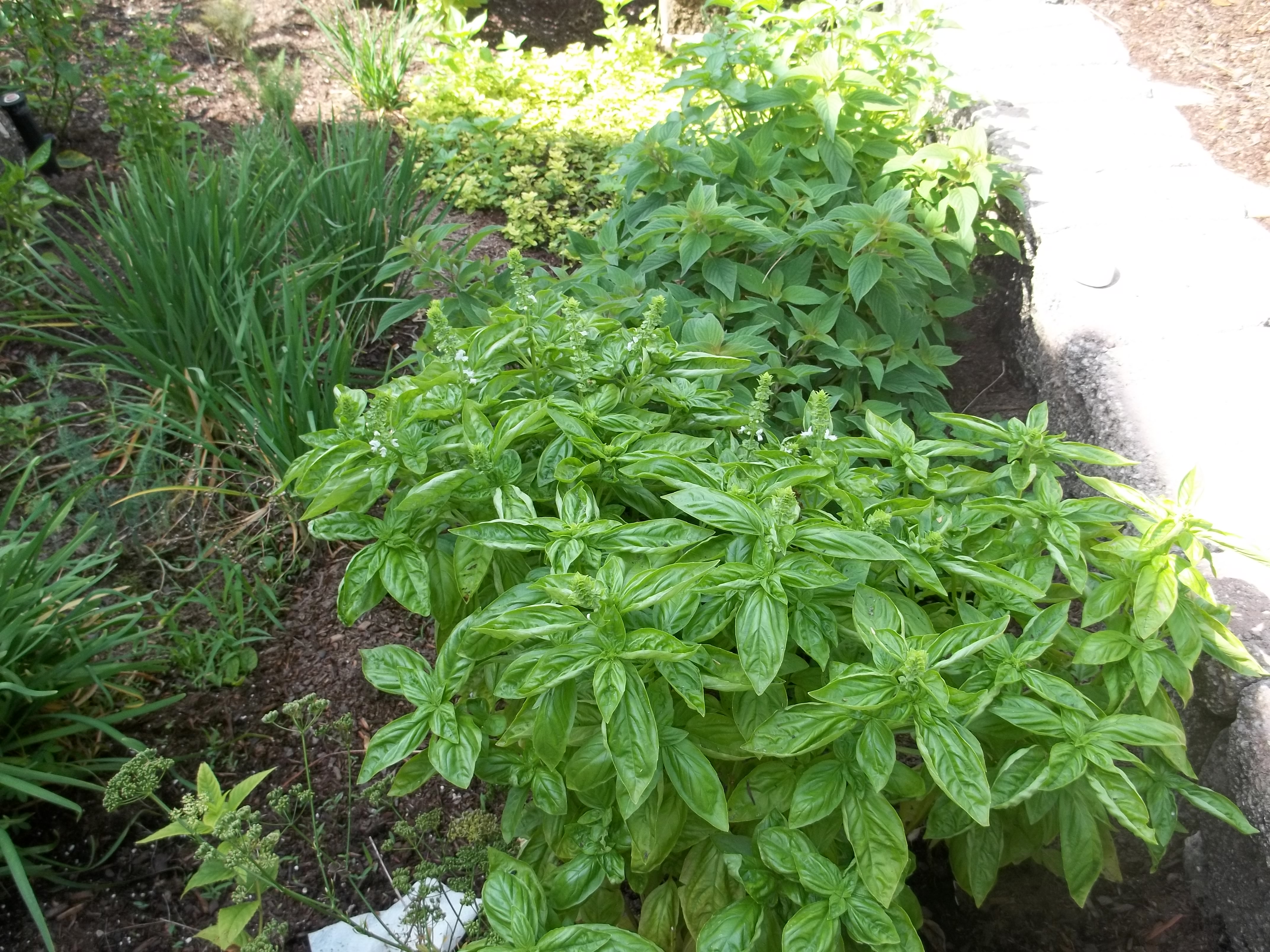
It is easy to fall prey to complaining these days when the temperature registers 105 and most people, animals, and plants slow their pace and wilt.  I remind myself that the same blistering sun that sears my skin and makes getting into my truck seem like opening an oven door also flavors my herbs and ripens the figs on our tree. Lord, help me be alert to the yes in every day.

i thank You God for most this amazing day:for the leaping greenly spirits of trees and a blue true dream of sky; and for everything which is natural which is infinite which is yes
(i who have died am alive again today, and this is the sun’s birthday; this is the birth day of life and of love and wings: and of the gay great happening illimitably earth)
how should tasting touching hearing seeing breathing any–lifted from the no of all nothing–human merely being doubt unimaginable You?
(now the ears of my ears awake and now the eyes of my eyes are opened)

— from E.E. Cummings: Complete Poems 1904-1962, by e. e. cummings

Sabbath Song and Shade

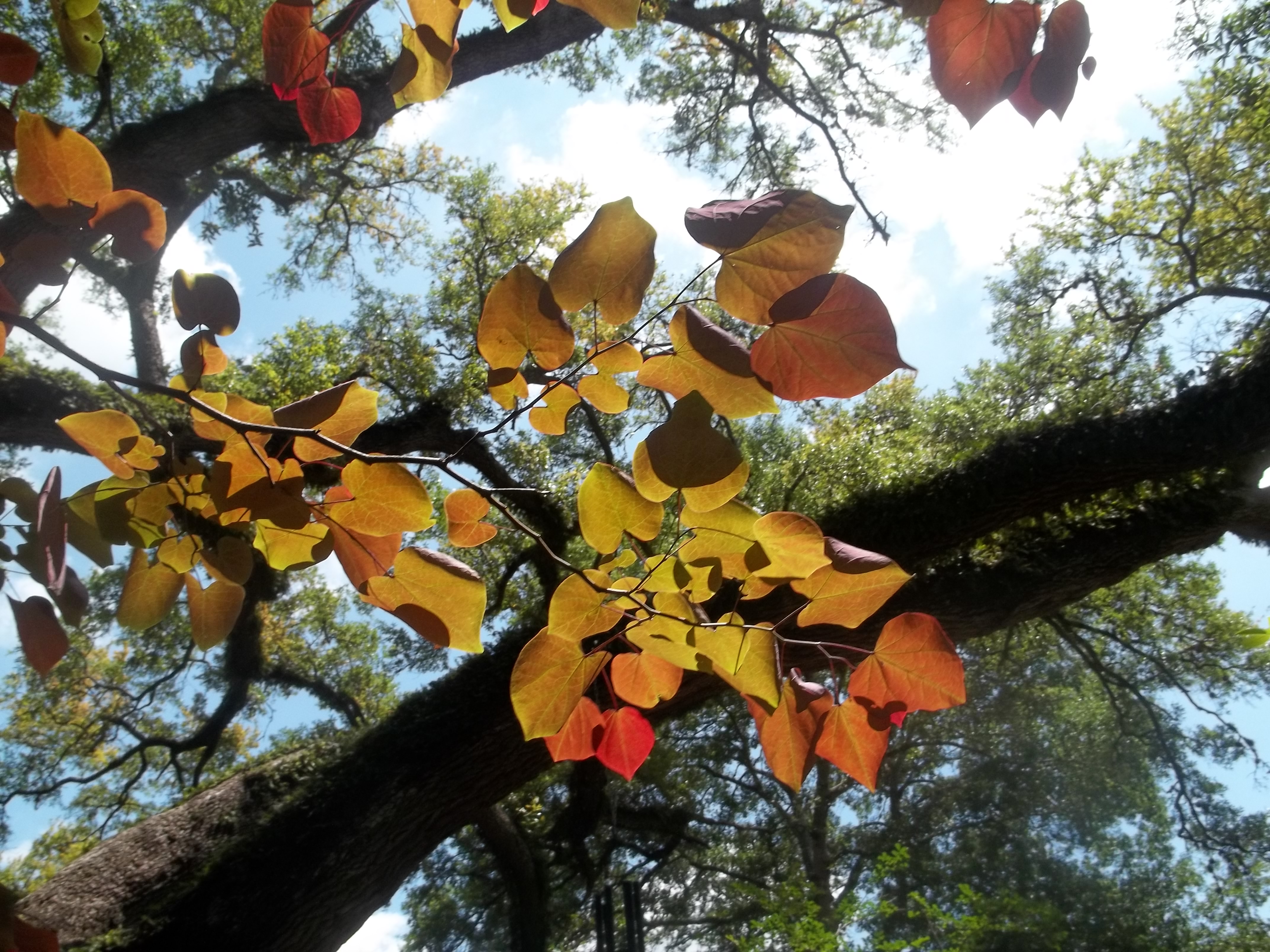
Image of Redbud tree leaves in prayer garden of First Baptist Church, Richmond, Texas. 

The clearing rests in song and shade.

It is a creature made

By old light held in soil and leaf,

By human joy and grief,

By human work,

Fidelity of sight and stroke,

By rain, by water on

The parent stone.

We join our work to Heaven’s gift,

Our hope to what is left,

That field and woods at last agree

In an economy

Of widest worth.

High Heaven’s Kingdom come on earth.

Imagine Paradise.

O Dust, arise!

~Wendell Berry, Sabbath Poem VII (1982)

Beautiful?

When I was making some purchases at our favorite garden supply shop, I saw a wall decoration that simply had the words “just as the caterpillar thought its world had ended…it became a butterfly.”  For most of us, it is so much easier to admire the beauty in the floating and flitting of  irridescent butterfly wings than the bulges of voracious caterpillars or the lump on a twig that is a chrysalis.  Yet beauty and wonder are there if we see more than a worm.  Maddie brought in tiny larvae she found in the garden.  We found a glass jar, supplied extra host plants for food, and watched them grow.  Jordann, although a bit skeptical at first, became intrigued as she watched the caterpillars eat and eat and eat.

In her book My Grandfather’s Blessings, cancer physician and master storyteller Rachel Naomi Remen quotes Proust by saying that the voyage of discovery lies not in seeking new vistas but in having new eyes.  She says that she sometimes suggests to depressed patients that they review the events of their day for fifteen minutes in the evening by asking three questions and writing the answers in a journal.  1.  What surprised me today?  2.  What moved me or touched me today?  3.  What inspired me today?  In this chapter, which is titled “Finding New Eyes”, she tells of one patient who told her he answered the questions with “Nothing, nothing, and nothing” in the beginning, but that gradually he realized he was building a capacity he had never used, so that he began to see things differently.  Maddie and Jordann have a capacity for seeing that I hope they never loose.

“Most of us lead far more meaningful lives than we know.  Often finding meaning is not about doing things differently; it is abut seeing familiar things in new ways…We can see life with the eye, with the mind, with the intuition…But perhaps it is only by those…who have remembered how to see with the heart, that life is ever deeply known or served.”

~  Rachel Naomi Remen

Of Friends and Ferns

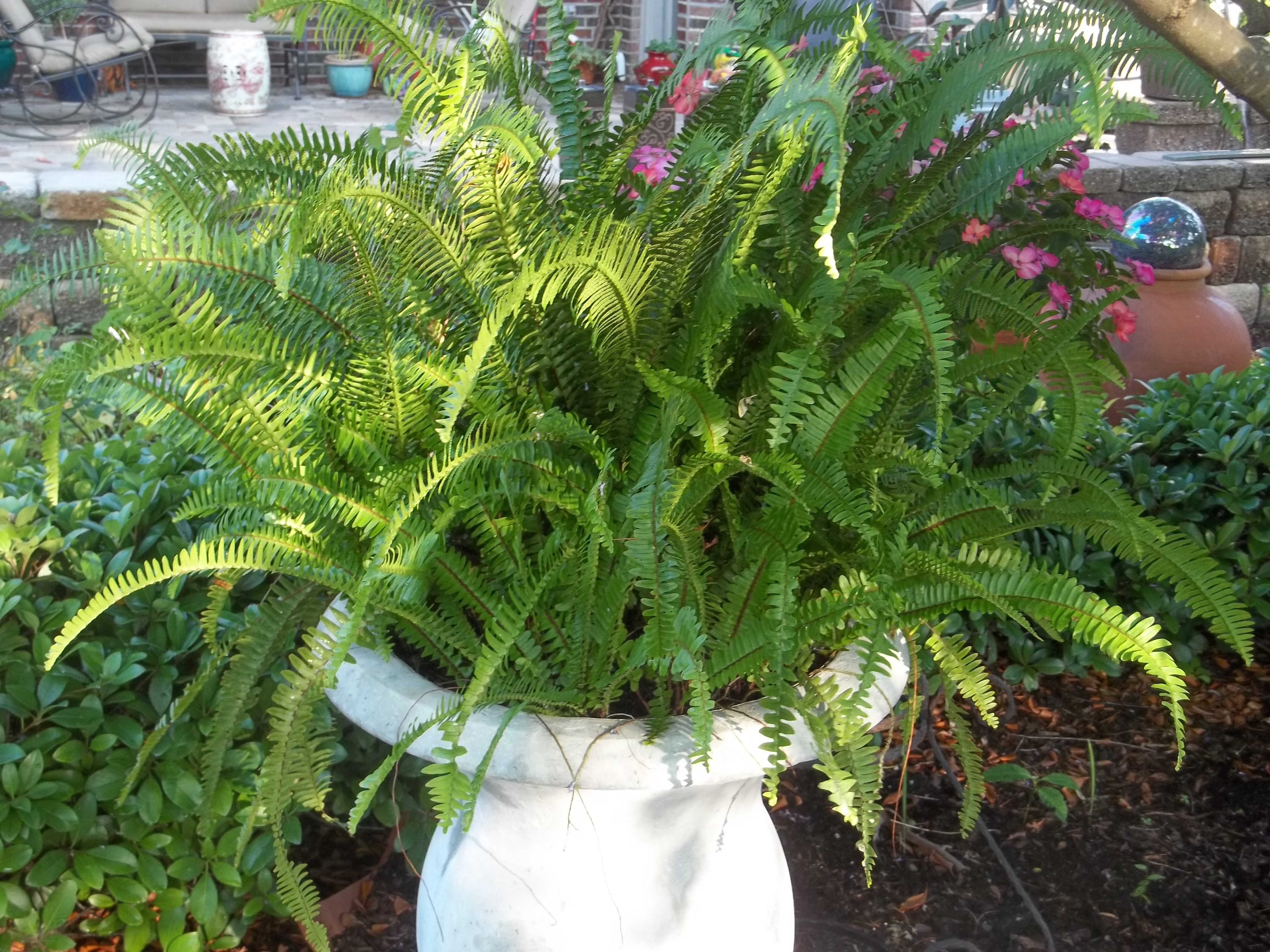
Of the many plants we tend in our garden, this fern has been around the longest.  In fact, it is the only plant that has lived with us in a number of homes and gardens of all kinds and in different places.  When we lived in an old Victorian house in the town both Joe and I grew up in, I found this plant in a garage sale.  That was in 1981!  So for over 30 years now, this fern has endured!  In the 1980’s, it moved with us twice.  When our family moved to California, then within a year to Indonesia, I left it in my sister’s care. When we came back to the U.S. in 1992, she gave it back to me!  It has endured drought, hurricane force winds, various divisions and repotting.  What stories have surrounded these fronds that keep on growing and greening!  I guess you could call it a faithful fern. It lasts. It keeps on keeping on!

That is why it reminds me of the people in my life I am blessed to call friend, those who through many years and over distances of many miles and circumstance are still part of my life,  outlasting storms and dry spells.  I am grateful for fern and friends and the faithfulness of God in His provision and sustaining of that which keeps plants and relationships alive, enduring, and growing.

Waiting…

“To wait with openness and trust is an enormously radical attitude toward life. It is choosing to hope that something is happening for us that is far beyond our own imaginings. It is giving up control over our future and letting God define our life.” Henri Nouwen

My garden calls me to remember much about waiting with openness and trust – to choose hope.  All around me are signs of beginnings and growth.  Not all happen when I predict.  Many don’t develop on the same time-table as previously experienced.  But if I am attentive, the astonishing beauty and meaning is indeed beyond my own imagining.

Growing Season

We fan the seed packets out like playing cards. My granddaughter chooses Red Leaf lettuce, Sweet Basil and Bouquet Dill. I pick Tarragon and Jewel Nasturtiums. We take them outside and find the rusty trowel and a small hoe. She loosens the soil and draws a line with her finger before carefully placing the tiny lettuce seeds, patting a veil of earth over them with the other hand. She fills the watering can she once called “flower shower”. My seed picks unopened, I stand watching her with a fullness in my heart that makes my eyes sprinkle.

seeds will sprout green and grow deep

loved by a sun warmed hand and heart

little girl also growing

Surviving

Gardens are such good storytellers!  The climbing rose in this picture is on an arbor by our backyard fish pond.  It is a Peggy Martin rose.  For those who may have never heard this story, I will tell you it is named for the woman who grew it in her garden near New Orleans, along with hundreds of other roses before Hurricane Katrina.  All the roses were under about 20′ of salt water for two weeks following the hurricane. When she was finally able to return to visit their property she found new growth on this one rose, all that remained. In the devastation she also lost her elderly parents, her home, and commercial fishing boat that her husband used to supplement their income.  She didn’t even know the name of the rose since a cutting had been given to her by mother in law who had also been given a cutting.

Dr. Bill Welch from Texas A&M along with other antique rose experts and growers helped to get the newly named “Peggy Martin” rose into the marketplace where proceeds help restore gardens throughout the South devastated by Katrina and other forces of nature.

The story always makes me wonder what made this rose any different from the rest to give it the resilience and fortitude to say “I’m still here and growing better.”   One thing has to be that its roots were stronger and deeper.  I am still thinking about the fact that its cuttings root very easily…it is flexible and can handle change.  The telling of all this has to include a theme of restoration, too.  Out of the Martins’ great loss has come a way to help others.

What a good gardening story!  Soul gardening, too.

March 1 on a South Texas Country Road

March 1 on a South Texas Country Road

Winter palette fades.

Painted over by Springing.

Weary gray tinges green.


Bare branch silhouette

 Softens, hazed in chartreuse fog.

Baby leaves split tight coats.


Shiny buds unfold

Clover, dandelion, moss

Each green different


 Why call it Red Bud?

It’s lilac, pink, violet.

Purple vetch vines, twines.


 Blue wood violet,

Saffron puffs of sweet Huisache

Fill air with fragrance.


Indian Paintbrush

                                             Tiny torches start to blaze,

scatter scarlet flames.


Not yet showing bloom,

  Bluebonnets, Crimson Clover

soon add to Spring’s song.


 Bleak chill of winter

Gives way to resurrection,

melody of Life.

Ash Wednesday

In a journal from three years ago, I found thoughts about Ash Wednesday that are much the same I would write today.  “Lent, Day 1.  We are adding readings from Psalms to the few minutes we have before Joe leaves for work in the mornings.  In all my Protestant years growing up, Lent was little recognized most of the time.  I have grown in need and appreciation of these set apart days approaching Easter and in all my observation of the liturgical year.  I crave the structure, need the framework for deepening spiritual sensitivity and awareness.  So begins arranging days and heart and home in new awareness of Eastering.”

Crosses of ashes,

sign of beginning journey,

mark Lenten promise.