O God of new beginnings,
You wipe away our tears
and call us to care for one another
Give us eyes to see our gifts,
hearts to embrace all creation,
and hands to serve you every day of our lives.
~a common Christian Prayer for the New Year

 Here at the end of the year comes the year’s springing
The falling and melting snow meet in the stream’
That flows with living waters and cleanses the dream.
The reed bends and endures and sees the dove’s winging.’En
Move into the year and the new time’s turning
Open and vulnerable and loving and steady
The stars are aflame; creation is ready.
The day is at hand. The bright sun burns.
Madeleine L’Engle, as quoted in Winter Song, Christmas Readings
By Madeleine L’Engle and Luci Shaw
 Our entire Satsuma harvest – but the tree is very small.
As we move toward the end of November, our garden is a reminder of things that can be counted on: Gulf Coast Muhly fronds mound up like pink froth. Satsumas are ready for harvest, Meyer lemons are hanging ready on the tree, the last of our okra and tender herbs fade as the first frost comes. Marigolds, chrysanthemums and calendula bloom gold and copper. Thanksgiving is less than a week away. We will gather friends and family and favorite foods at full tables.
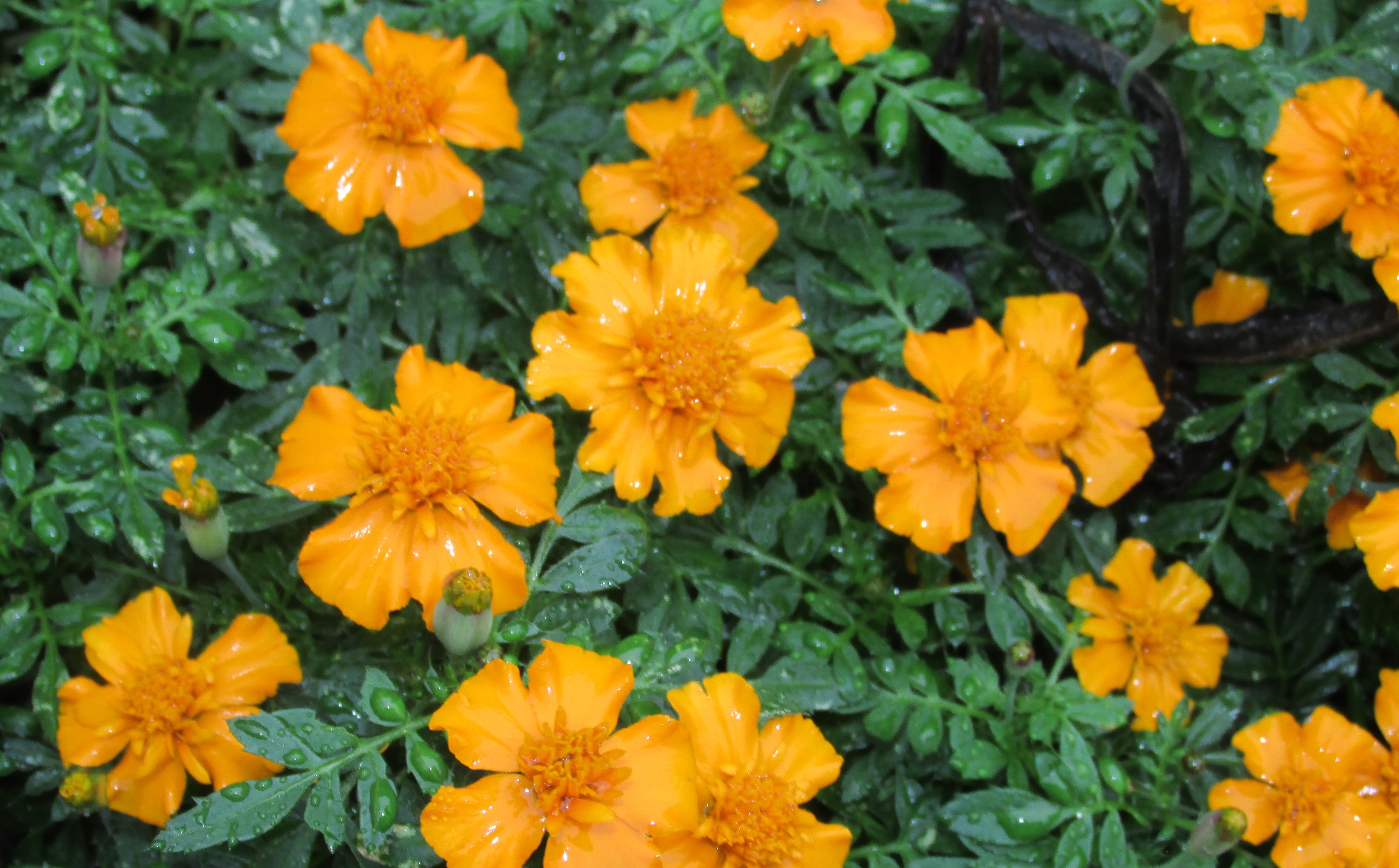
Marigolds
I am remembering childhood meals around my Terrell grandparent’s table in Smith County, Texas. There were hearty breakfasts with farm fresh eggs, sausage, biscuits and gravy, dinners (at lunchtime) that often included peas and tomatoes from their garden and an iron skillet of cornbread cut into wedges.There were suppers, often the same food reheated or a bowl of soup, and Sunday dinners after church. There were holiday meals at Easter, Thanksgiving, and Christmas where the table and kitchen were both filled with chicken and dressing or a ham, plus those garden fresh vegetables which had been put up into canning jars. To follow, there would be an assortment of sweets – cookies, sweet potato, pecan, and mince pies, and often a pound cake. The food and occasion might vary, but there was always the same beginning: This, too, was something I could count on. Papa Terrell would say grace. Today we may say a blessing or give thanks, but he always said grace. The words were always the same, and rattled off so quickly I could never understand them. But his posture spoke to my heart with no need for words. Over 70 years later, now I see him clearly in my mind: gray head bent forward and bowed in humility.
“We offer grace at table as a form of waiting with confidence…reciting such a prayer is sometimes referred to as a way of preparing to receive all that has been granted to us. We offer grace in amazement that even the good things we have rejected are being offered again. And then we eat, and the food meets an earthly need of our souls, and we are made whole.” – Cynthia Rigby, W.C. Brown Professor of Theology, Austin Presbyterian Theological Seminary*
For me, the calendar days designated to Thanksgiving are a wonderful approach to beginning of Advent exactly because of this waiting with confidence…preparing to receive all that has been granted to us. Our family will gather once again around the old oak table, the very same one that Grandma loaded with food and where Papa said grace.
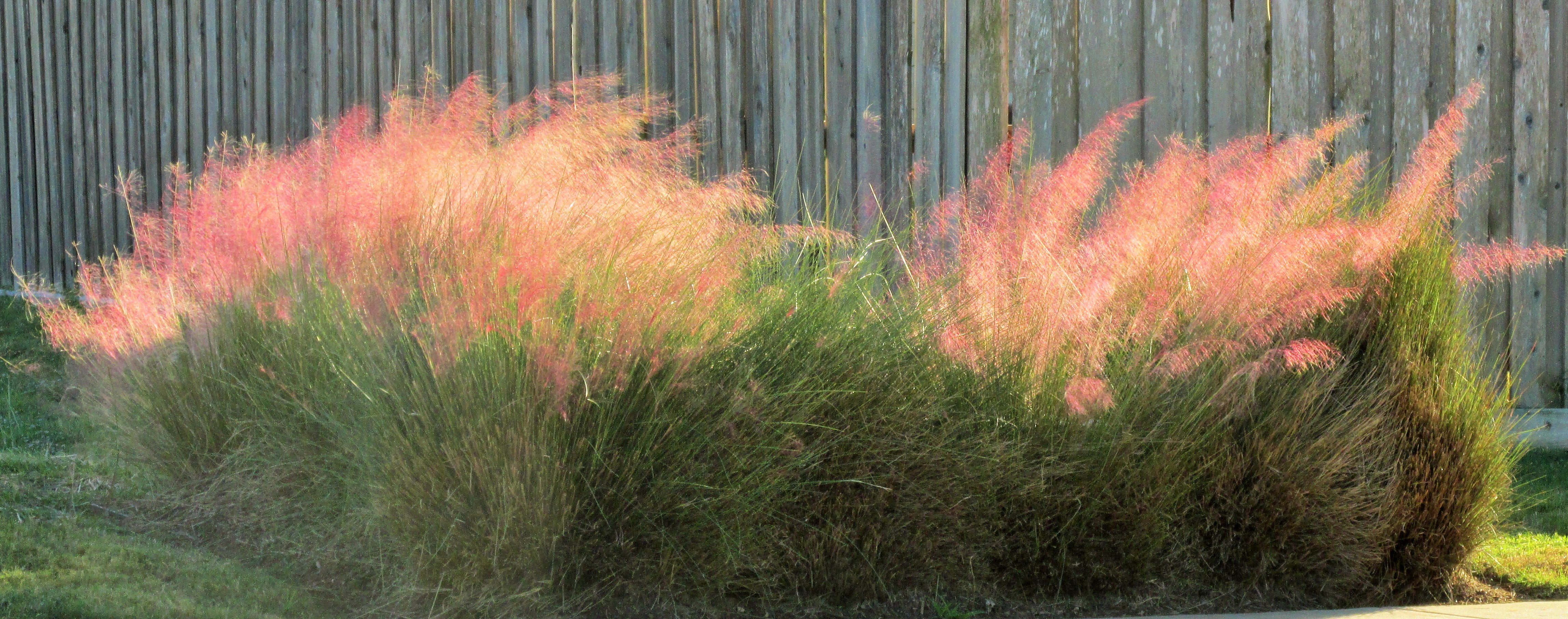
Pink Gulf Coast Muhly, a coastal grass
*as quoted by Wayne Slater in DallasNews, a Texas Faith Blog
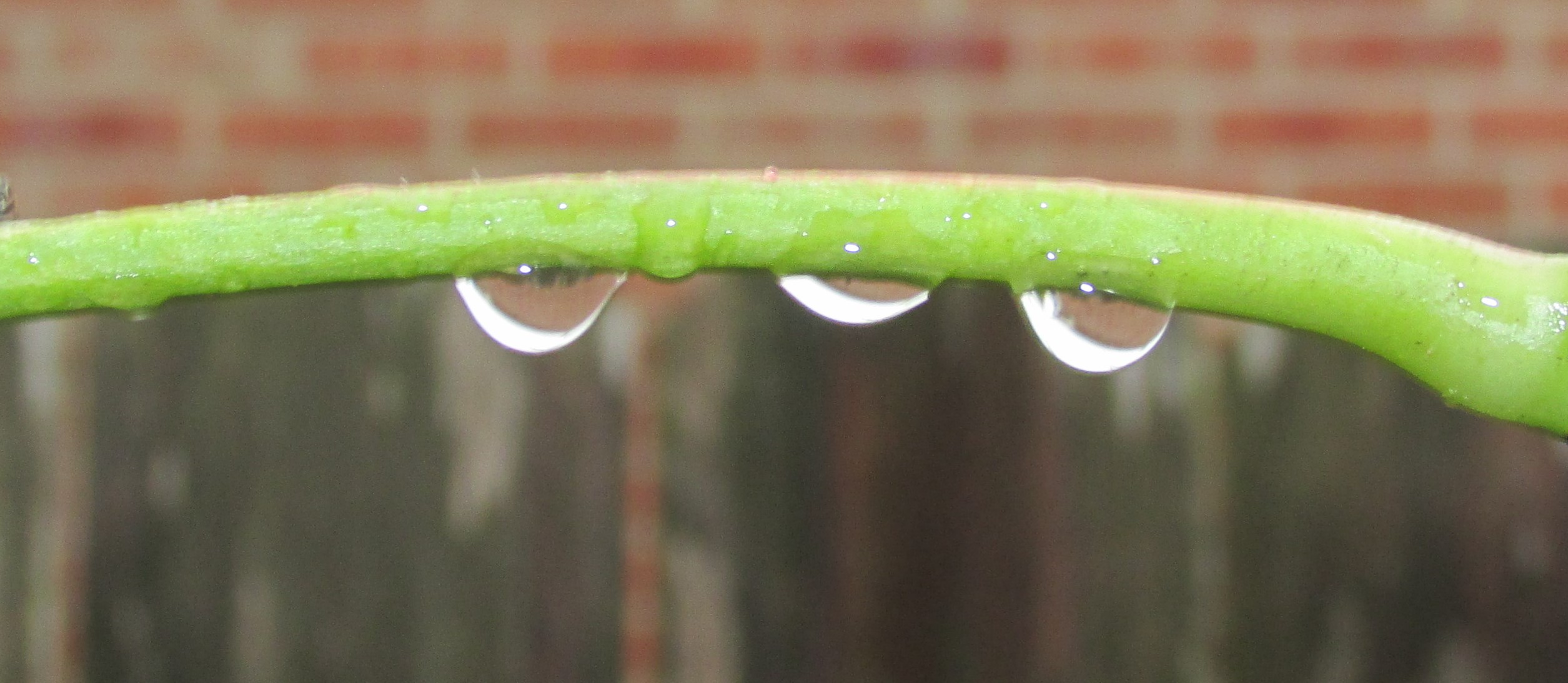
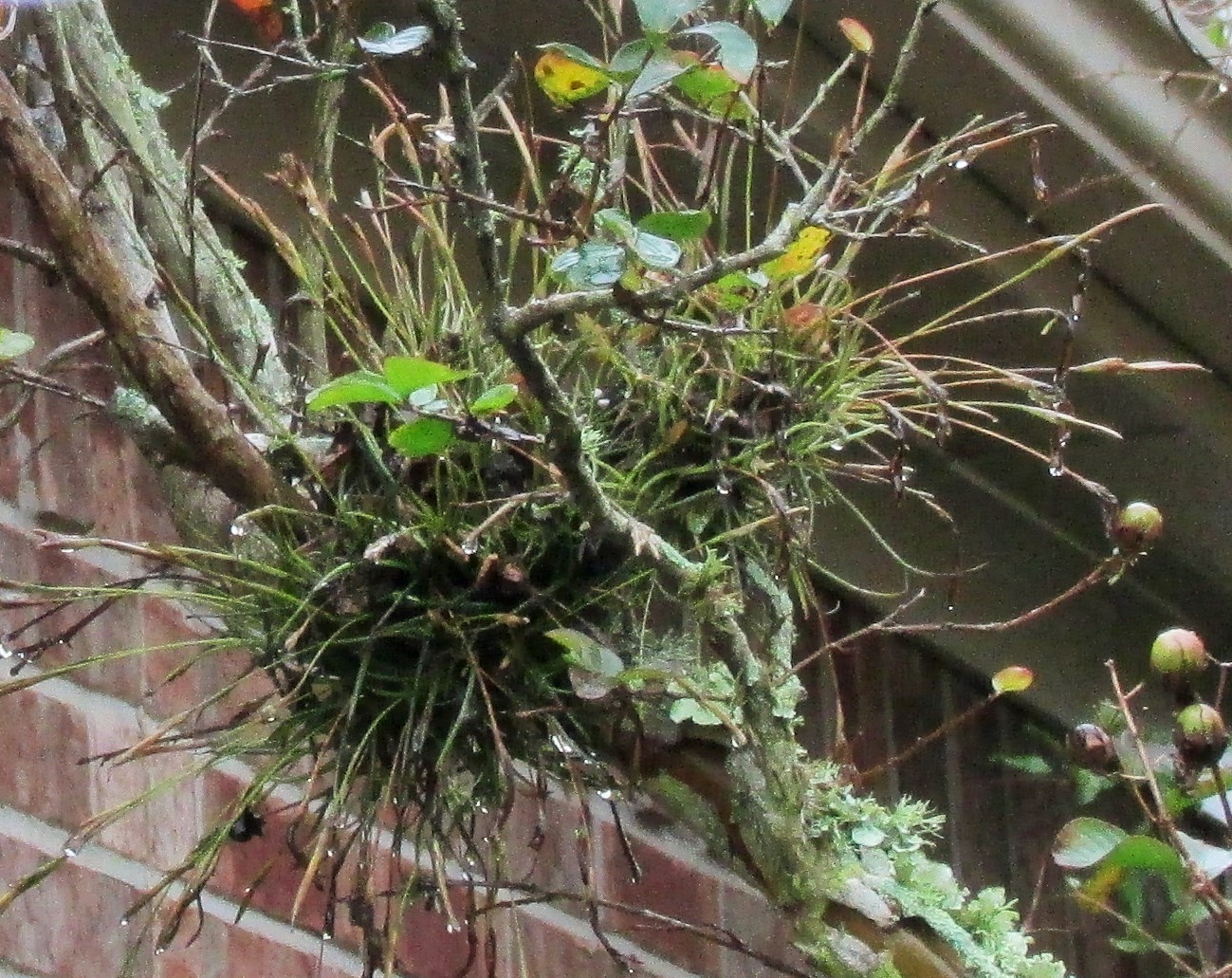
hear November whisper and sing
rain drops and ball moss cling
morning light holds onto night
a few brown leaves hang on tight
I linger like these and pray
reluctant to busy my day
yet still, yet silent
clinging
Listen! the wind is rising, and the air is wild with leaves,
We have had our summer evenings, now for October eves! ~Humbert Wolf
October evenings in our part of Southeast Texas don’t get cooler and then cold. We are as likely to have echoes of summer heat as to welcome sweater weather. But that does not mean Fall has not arrived. We may not have trees blazing with orange and red and gold, but we do have autumnal flags.
a scattering of scarlet crepe myrtle leaves
a skittering of breeze stirred grasses
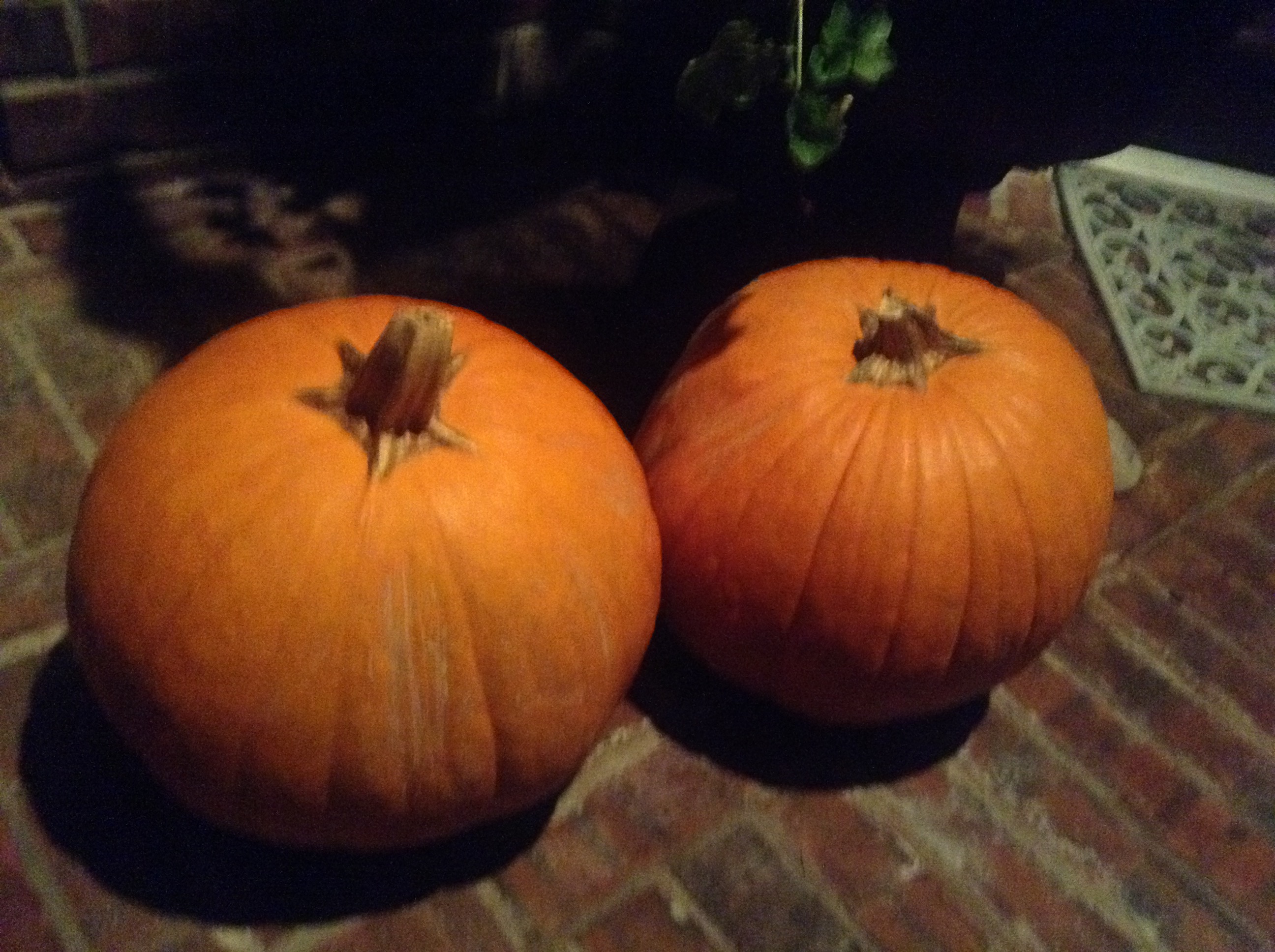
and pumpkins on my porch
Summer’s heat and humidity are the most common complaints on the South Texas Gulf Coast in the middle of July.In the Spring I hear “April showers bring May flowers”, but there don’t seem to be any comparable sayings pointing to blessings that a 106 heat index brings. However, the gifts are there, and I am reminded to count them. Here are a few.
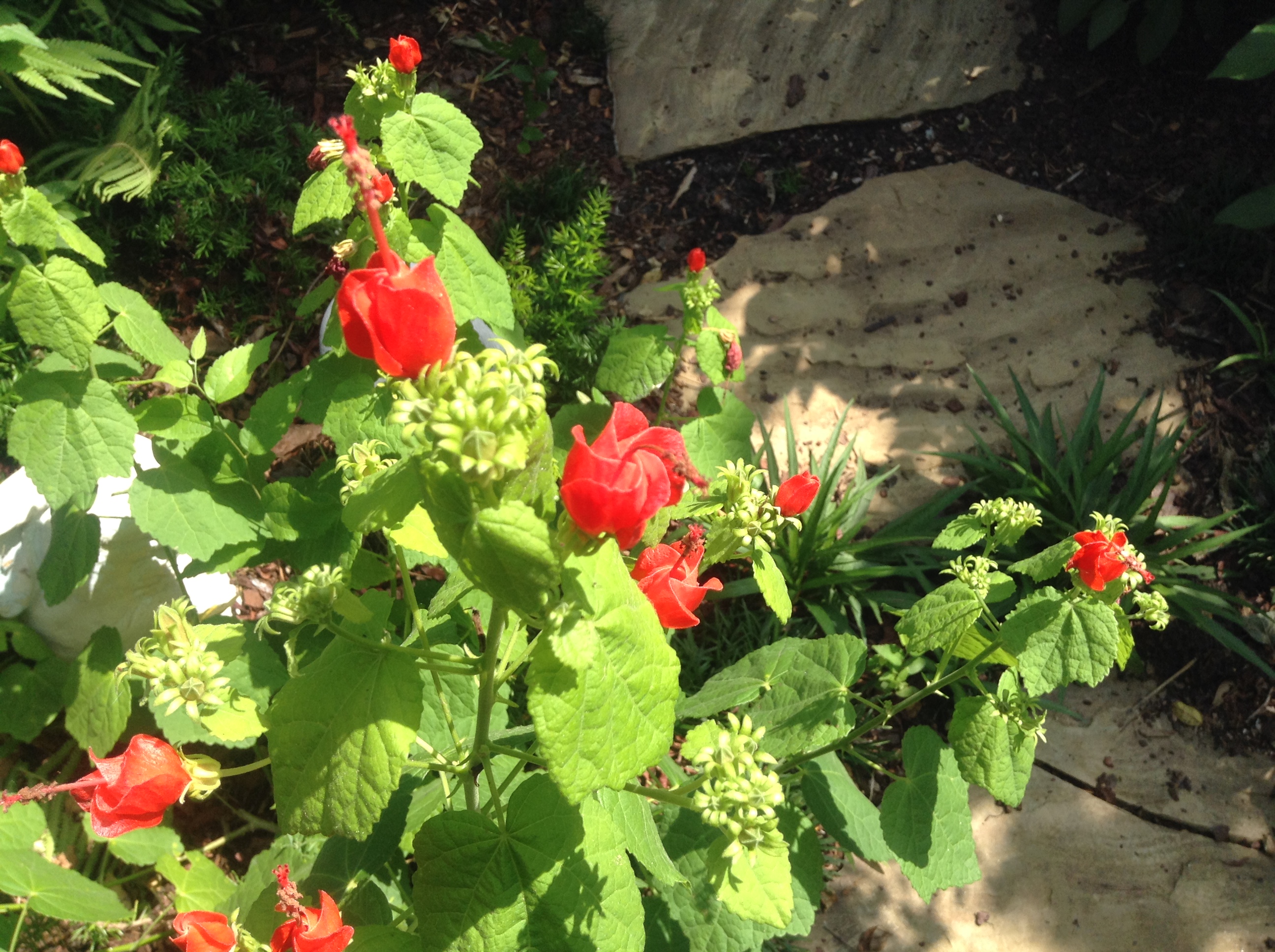
Summer’s heat produces these vermilion flowers twisted into a tube with extended stamens protruding from the whorl. Some call the plant bleeding hearts; my grandmother called them Turks’ Caps and always had them in her East Texas yard. I adore these little twisted turbans. Their scarlet flashes are rivaled only by the red birds that like the berries left after the flowers fade.
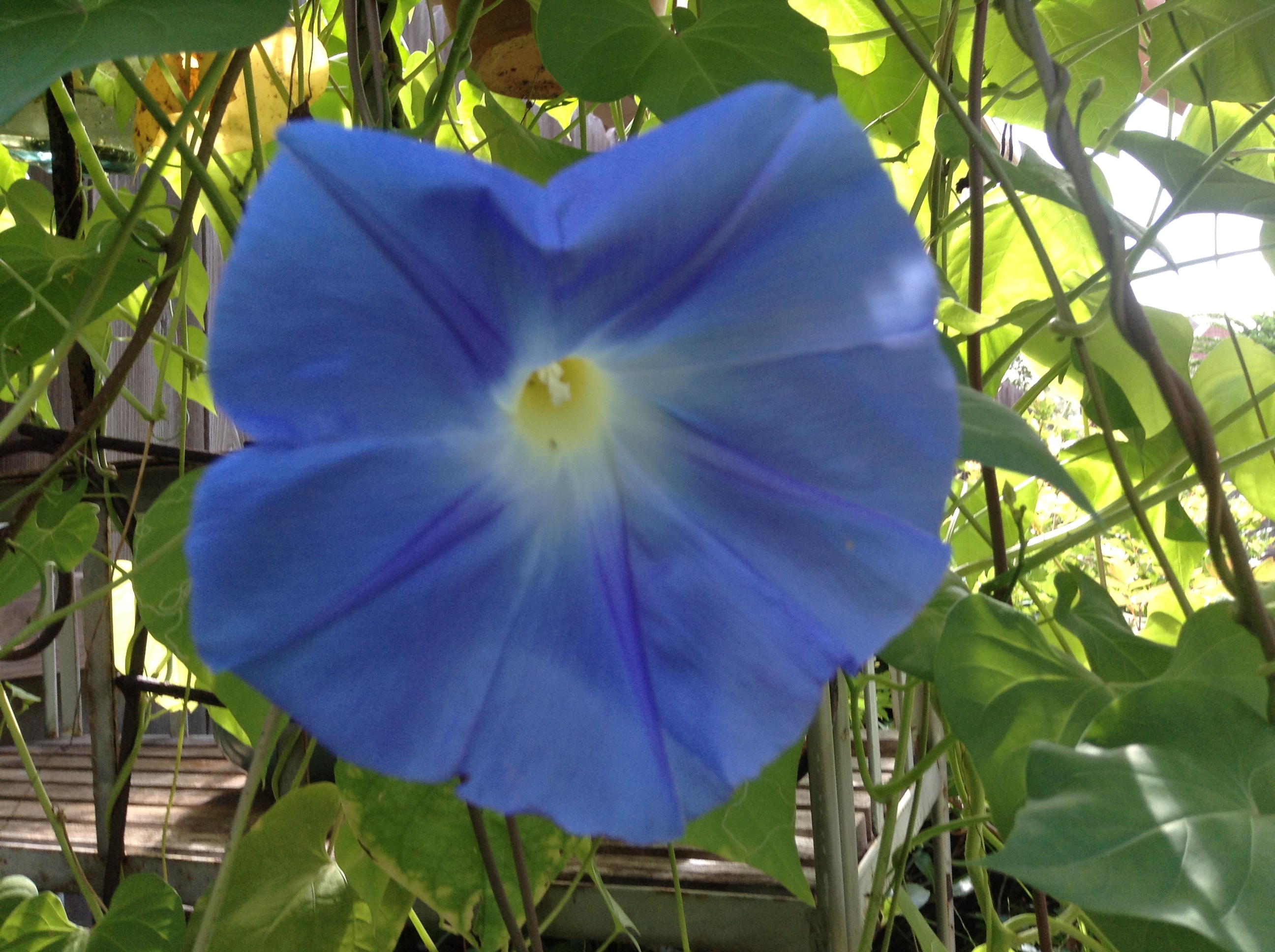
Morning glories! Without the heat from the morning sun, they would stay closed shut. But with morning light, their fragile cobalt petals unfurl so the star in their throats can shine.
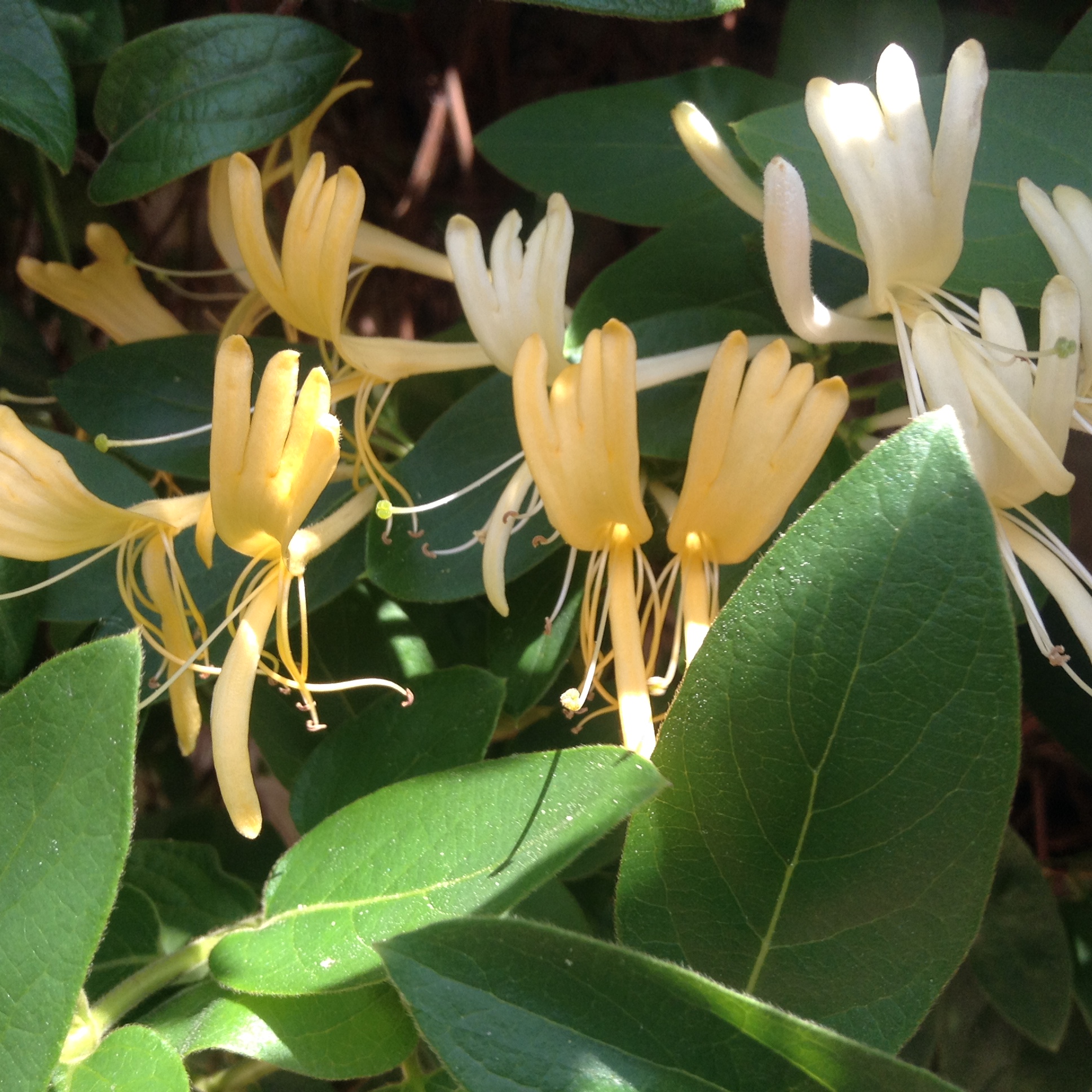
Honeysuckle vines reach for the heat and produce sweet nectar- bearing blooms that lure me with their fragrance.
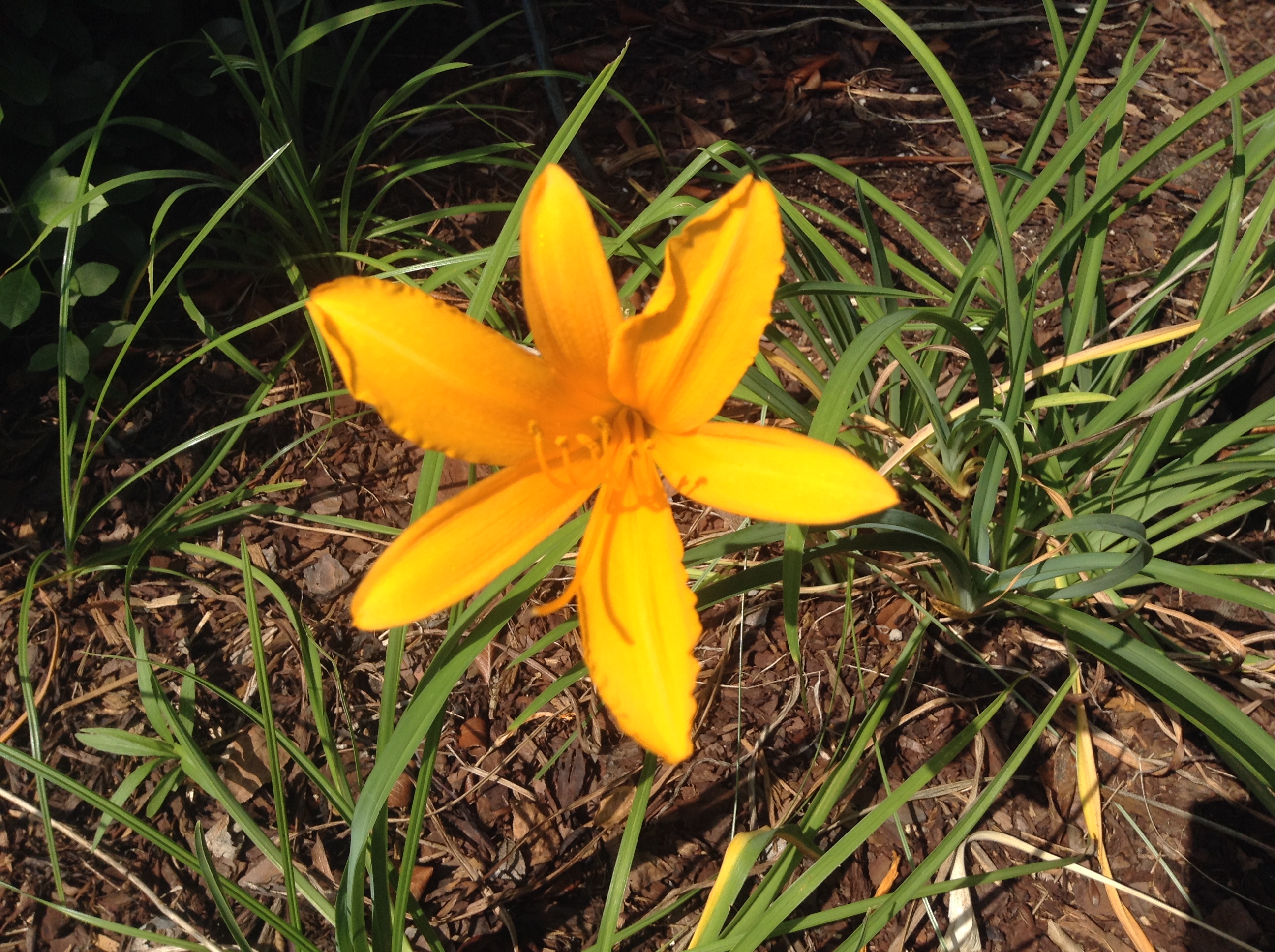 Golden day lilies bare their cheerful faces to sunshine.

Peppers of all shapes, sizes and colors thrive in summer’s furnace along with yellow squash, zucchini, and melons. All these add nutritious goodness to our summer suppers.

Figs! Our abundant crop of figs is plenty to enjoy and more than enough to share.

Peaches are at their best in summer’s heat. My favorite variety ripens in August.

Fennel, basil, rosemary, sage, parsley, and all my favorite herbs don’t even begin to thrive until it begins to get hot. Cutting them just before they go into a light summer soup or salad gives a rich, fragrant treat for the cook!
Still counting…
I am grateful.

This will be a week of seeing night skies shot through with neon sprays of light accompanied by gasps and ahs as dramatic firework displays entertain crowds while smaller scale backyard pyrotechnics fizzle and pop.
I love better, bursts of bloom from our garden
crepe myrtle trees heavy with crinkly scarlet clusters
lifted against snowy clouds
free-floating in cerulean sky
I love better,stars blazing
in the heart of a morning glory
Too, the tall spires of indigo salvia,
fragrance from tiny white spears of sweet almond
seed fronds of native grasses waving and dancing
afternoon breezes coaxing music from wind chimes
celebration

“Nature offers us a thousand simple pleasers – plays of light and color, fragrance in the air, the sun’s warmth on skin and muscle, the audible rhythm of life’s stir and push- for the price of merely paying attention. What joy! But how unwilling or unable many of us are to pay this price in an age when manufactured sources of stimulation and pleasure are everywhere at hand. For me, enjoying nature’s pleasures takes conscious choice, a choice to slow down to seed time or rock time, to still the clamoring ego, to set aside plans and busyness, and to simply to be present in my body, to offer myself up.”
— Lorraine Anderson
“To be rooted is perhaps the most important and least recognized need of the human soul.” ~ Simone Weil
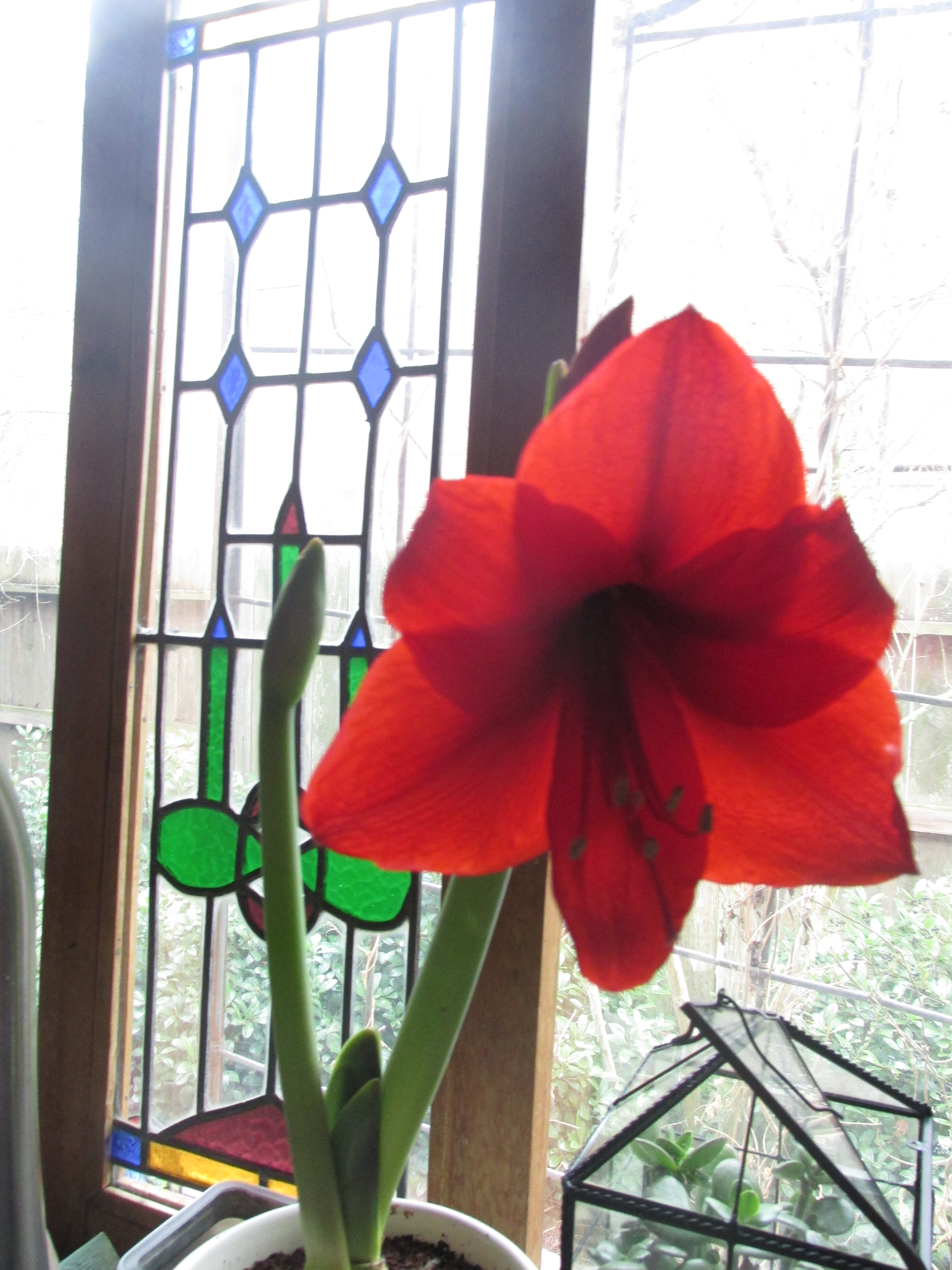
Recently when family gathered to help us celebrate our 50 years of being married, we were given a small white pot which contained a plastic bag filled with potting soil and a dried, brown ball with papery layers peeling back about the size of a small onion. It was an Amaryllis bulb. As long as I let the pot, the soil, and the bulb wait on my counter, nothing much happened. There was one place where a spot of green wanted to push through its crackly wrapping, but seemed to have grown weary and quit trying. But as soon as opened the soil packet and poured it into the pot, pushed the bulb down, set it in a window, and added water, I could almost hear the dry dirt begin to breathe a lullaby to hungry roots as they began to channel new life into stalk and leaf. Two sturdy stems soon grew heavy with swelling buds. Above, the first scarlet flower opens wide, stamens heavy with pollen.
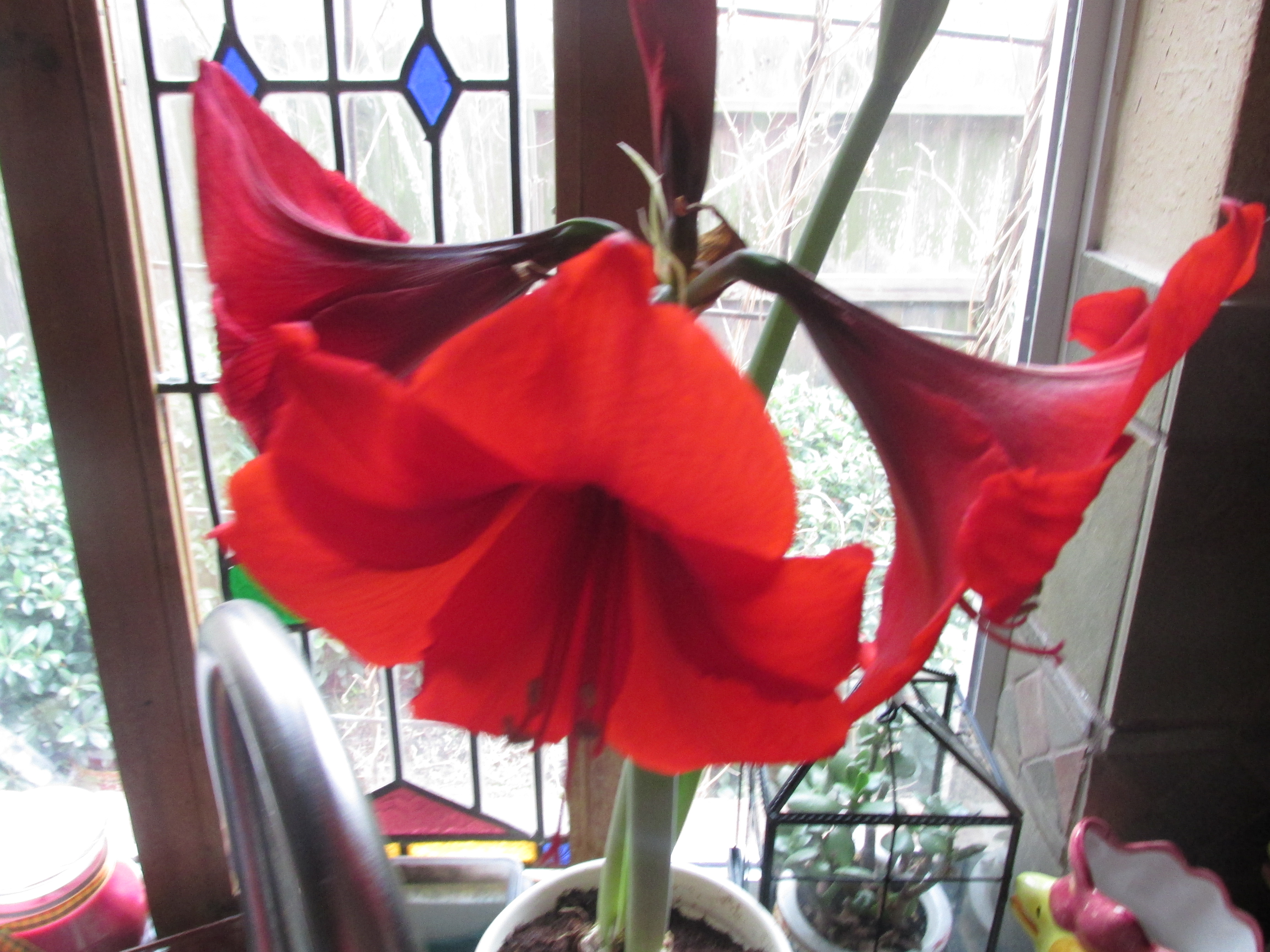 Then there were three, so large it seemed they would topple. And just as the first bloom began to fade, the second stalk of buds began to open. In all, 6 magnificent delights have graced the plain white pot in my kitchen window. Without roots, this blooming would have stayed inside the brown bulb. The roots were a potential, but not a possibility until nourished with soil and light and water.
What nourishes my soul to satisfy this need for rooting? Do I choose that which roots and grows? These are questions I ask again in a soul’s wintering.
 Winter Canvas
brushstrokes of gray and brown
streak across bleak sky
even evergreens blacken,
standing in sombre shadow
huddled against chill wind
possumhaw twigs lift scarlet berries
bright spot of joy
 Stones and Feathers