Eden to Eternity

  Included in my writings for Lent, these words are taken from two hymns written for the same hymn tune, Morning Has Broken and Child in a Manger. The original melody was noted by Alexander Fraser from a wandering Scottish Highland minstrel. Mary McDonald (1789 – 1872) wrote the words of the nativity hymn. Later, Eleanor Farjeon wrote words for the same tune which were originally printed in 1931 but not copyrighted until 1957 under its correct title, A Morning Song for the First Day of Spring.

 Until today, I had never considered the two sets of words together and when I did as I listened to the haunting tune, I felt a connection between the thoughts of the two women. My heart filled as I considered the continuity and the depth of holding God’s work of creation, nativity, death, and resurrection in my own thoughts. First Eden, then Bethlehem, then on to Jerusalem.

 Morning has broken,blackbird spoken,

First morning, first bird.

Praise singing and springing.

Sweet rainfall

Heavenly sunlight

First dew, first grass

Praise garden and path.

My sunlight.

My morning.

Newborn Eden displayed

Praise Creator and created.

Then, Manger Child.

Outcast and stranger,

Transgression swaddled,

Wrapped in my wrong.

Child once most holy,

Living that lowly,

Now filled with glory

In salvation story.

Prophesied Wonder,

Royalty revealed.

Word defined… Atoned,

I am His own.

Mary Ann Parker April 12, 2011
Share My Song


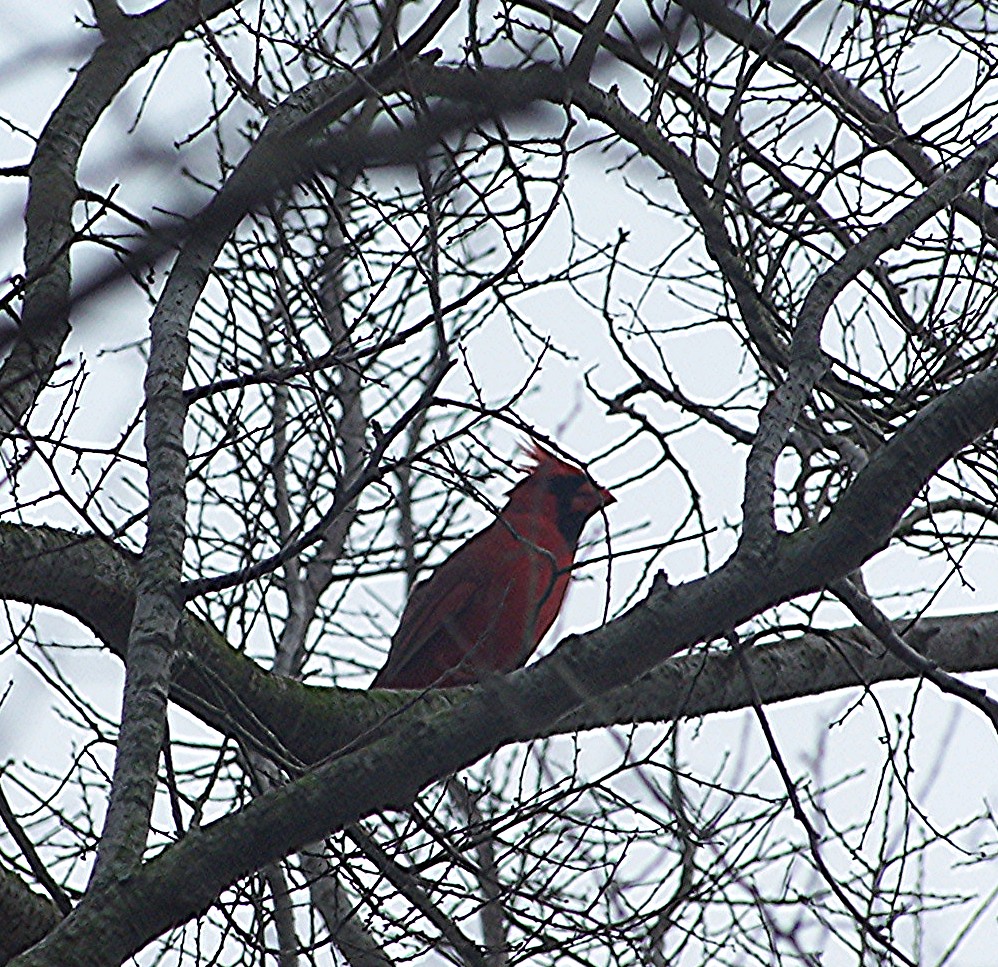
On this last day of February, warm days and cool nights call us out to the garden. We have been pruning the results of last month’s hard freezes, tilling soil, and clearing paths as we ready for planting. A pair of cardinals watches us as carefully as we watch them. They may have already chosen a nest and we don’t want to threaten them into moving. In the tangle of barren branches their quick flashes of color make us run for a camera. Bold and bright red with his black mask, the male is darting from porch to tree. We see his mate less often, but sometimes glimpse them together. Non-migratory birds, most cardinals live within a mile of where they were born. They are song birds and the male uses its call to attract a mate, but unlike most northern songbirds, the female also sings. She will often sing from the nest, perhaps a call to her mate. Cardinal pairs have song phrases that they share. As we listen carefully, on these first sunny days of late winter, we hear the song. It sounds like ‘cheer, cheer, cheer’.
Gray days and gray thoughts feel so different according to where I am standing. If I wrap my shawl of worry around my shoulders and stay inside I may never see my red feathered friend or hear his song. Only as I go out, look up, and open my heart am I able to find the song and share it.

“Hope is that thing with feathers that perches in the soul and sings the tune without the words and never stops at all.” ~ Emily Dickinson

Message in Moss

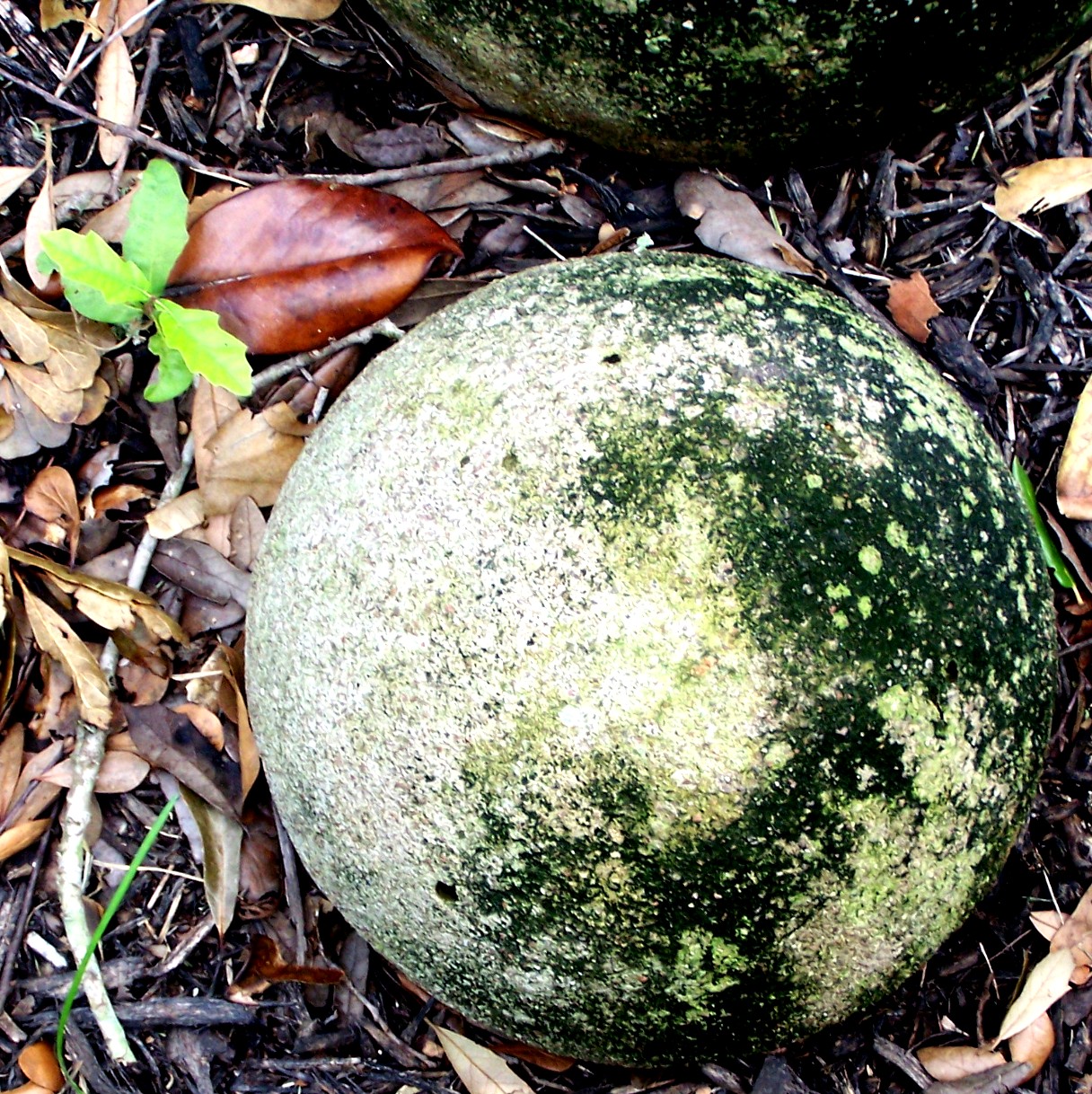
Walking in my winter garden, I see some things I might not notice when the drab palette comes back to green and growth. This mossy stone ball reminds me of an organic global map and prompts me on this Valentine’s morning to love all my neighbors, including those beyond my daily shores. I am called to widen my view, open my mind. I pray to know more, in order to better love.

“Love follows knowledge.” ~ Thomas Aquinas

Settle Down

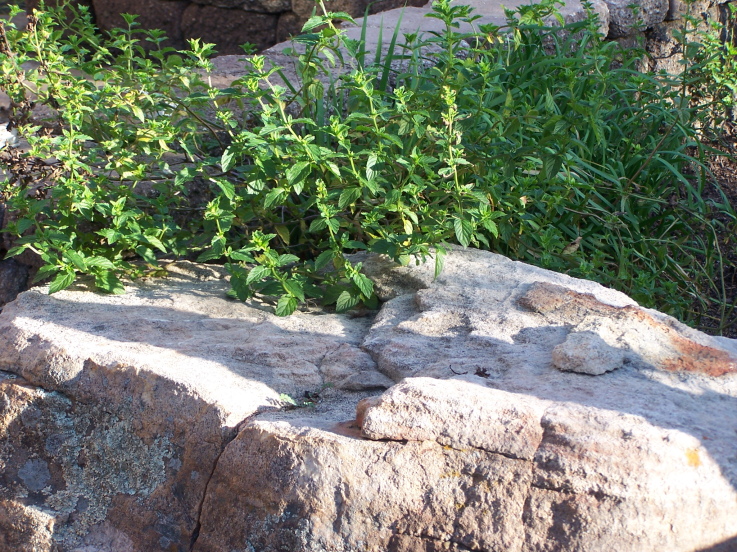
Where do you go when you feel troubled or unsettled?  Is there a place you find healing?  I don’t have need to go further than my back yard.  I open the kitchen door and go into sanctuary, to retreat, to respite.  I  sit on the stone wall surrounding my herb garden, crush a few leaves of rosemary or mint and breathe deeply.  Breath prayers rewarded with familiar fragrance bring to my attention the joy of growing things.  I walk the flagstone path between the roses and measure countless blessings.  I sit in stillness and wonder by the little pond and watch the silver flashes and ripples, gifts from fish and sunlight.  Quiet is broken only by trickling water and birdsong.  I witness the miracle of beginnings and rhythms as my eyes wander from new buds to the pregnant green of promised daffodils.  I am settled.

Inner Landmarks

In the long way that we take, in our growing up, in the vicissitudes of life by which we are led into its meaning and its mystery, there are established for us, for each one of us, certain landmarks. They represent discoveries sometimes symbolizing the moment when we became aware of the purpose of our lives; they may establish for us our membership in the human frailty; they may be certain words that were spoken into a stillness within us the sound thereof singing forever through all the corridors of our being as landmarks; yes, each one of us has our own. No communication between people is possible if there is not some mutual recognition of the landmarks.

Howard Thurman in The Inward Journey