More Feathers

IMG_3006

I have written in earlier posts about finding feathers. I have chosen to believe when I find a feather, it is one way God says he is with me and providing for me. A feather is also a symbol that small things are important. My 9 year old granddaughter came to me this week with this feather.  She said, “Granmary, this is another feather to go with the others.”

I am grateful for this girl and her generosity. It is important for me to remember that what I do and say is seen and heard.  Small things are important.

Story Seeds

IMG_2953

Among the herbs in my garden, purple cone-flower, or Echinacea, stands out because of its flowering  in our summer heat.  It is not just a pretty bloom that looks like a purple daisy. Used for hundreds of years for its medicinal benefits, it could tell so many stories. The large center cones are actually seed heads. I am thinking of how many new plants can grow from only these three.

flower on in summer’s heat

build your mountain of seeds

to let them go

and begin another story

Wonder. Full.

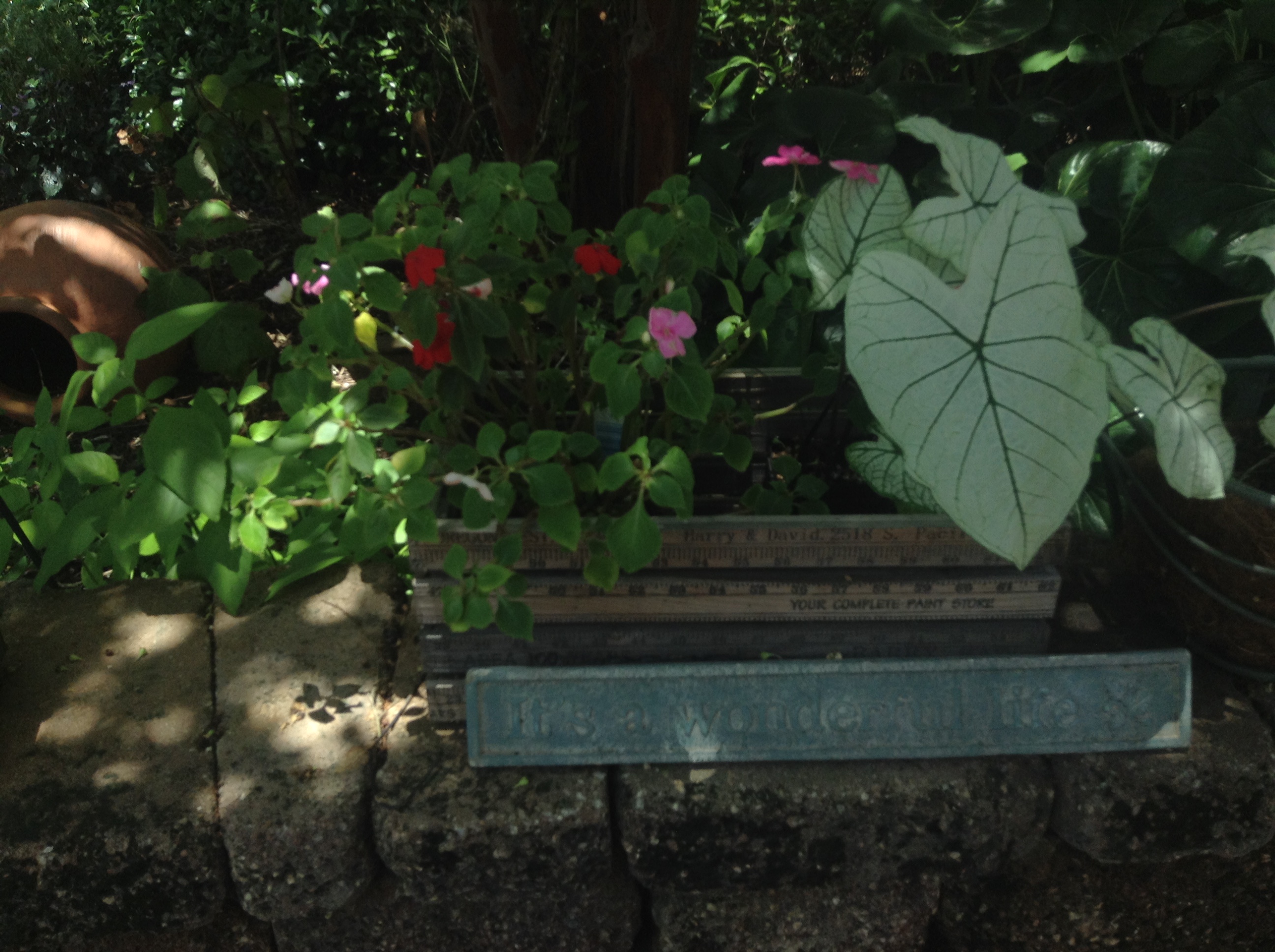
IMG_2813 This box of impatiens and Caladium on the wall at the edge of the back porch reminds me how much nourishing water it requires in our summer heat. Without this shade and daily watering, the blooms stop, the stalks wilt and leaves begin to curl. The container, made of measuring sticks, and the fading sign speak of need, too. Yes, it is a wonderful life, as long as I am refilled with wonder. Wonder.  Full.


Flight

IMG_2749
How quickly our front porch nest scene moved from the wrens’ nest building to those beautiful little spotted eggs to incubation and hatching.  Hatchling to nestling to fledgling bird, now this one last photo captured the moment before down wisps waved in the wind and became flight feathering.  The next time I saw the nest the tiny beaked face lifted above the little scraps of wings, tumbled over the edge and in one scurry disappeared into my Katy Ruellia at the porch edge. Now I only see a still, silent nest although I hear wren song in the trees.

No empty nest  pathos

Is that a triumphant note I hear?

On to living and singing

Until nest time next year?

Look Again

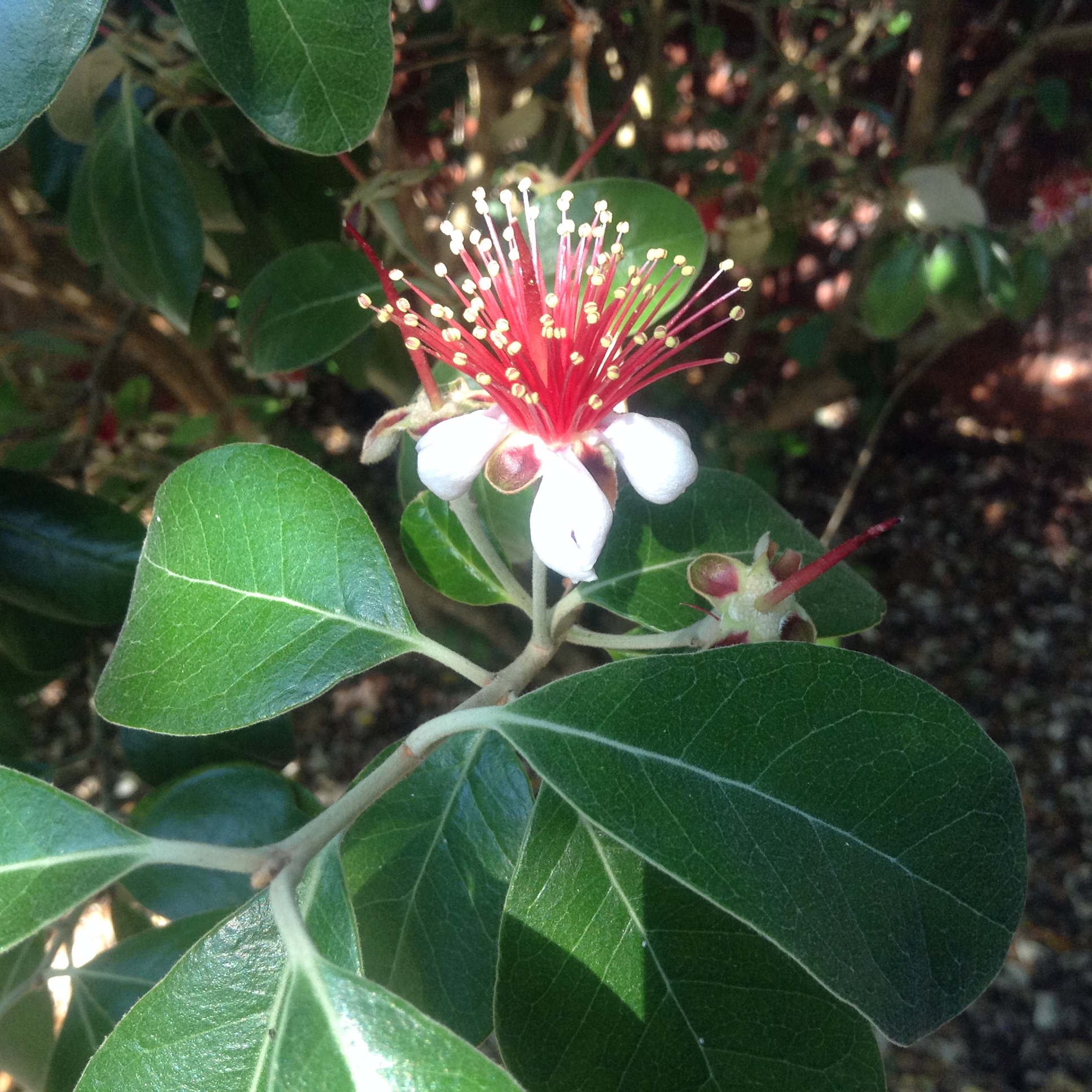
IMG_2330The tree in the back corner of our garden is not noticed by most people who walk around out there.  It is easy to pay attention to the roses, admire the lilies and tomato plants that have clusters of tomatoes almost ready to pick.  The fig tree has grown huge and is heavy with green knobs easy to recognize as figs. But this little corner tree is not remarkable.  It is only medium height with foliage that does not look too different from other plants. It grows happily in this spot with very little care.  But once a year, the pineapple guava blooms and if you look closely, each bloom is a dazzling display of fireworks. The creamy white petals look like they are waiting to catch the sparks.  Because they are tiny, even these exquisite blooms are not easily noticed.  Even the fruit, which does not ripen until late fall, is easy to miss.

It has been a long tine since I quoted  my favorite lines from one of Mary Oliver’s poem, but I am thinking of her words today – “Pay attention. Be astonished. Tell about it.”

There is so much beauty that we miss when we fail to do just that.

Begin Again

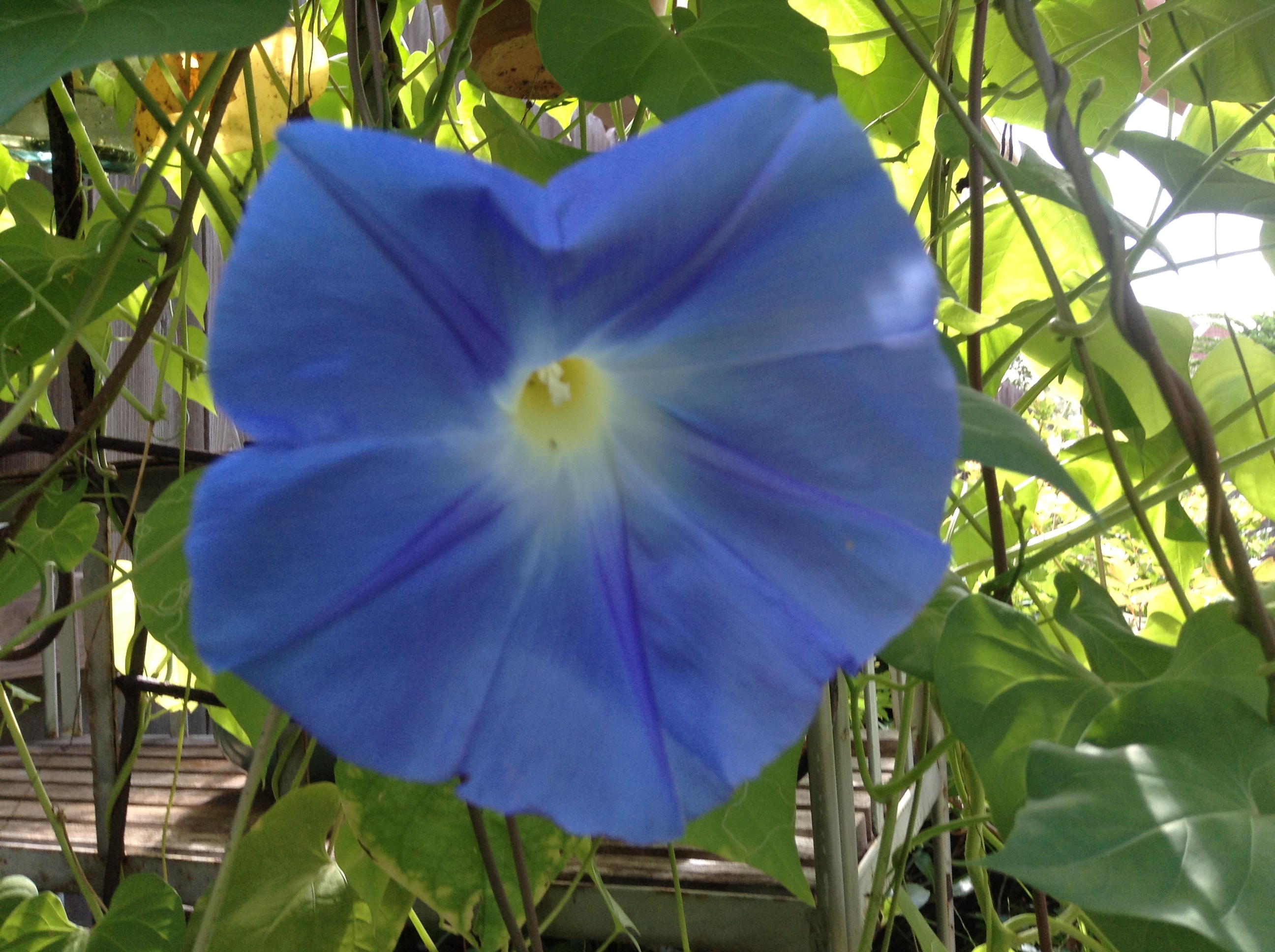
IMG_2335sprouting takes time

cracking the hard black seed shell

pushing through into darkness

reaching for light

then warmed in sunlight, kissed by rain

the green in me reaches up

for strength to lean into

wrapping around and holding on

I grow and bloom

IMG_0080

What Is Mine to Do?

cereus

Photography courtesy of Pert Roddy Garraway, who grows these beautiful plants.

In my observance of Lent this year, I worked with others in an online retreat reflecting on the question “What is mine to do?”  The question comes from Jesus when he said” “What I just did was to give you an example: as I have done, so you must do.” When his own  death was approaching,  St. Francis told us, “I have done what is mine to do. May Christ teach you what is yours.”

For me, the answer to the posed question is simply that what is mine to do is to practice serving. I am not sure why, but my friend’s photo of her beautiful Cereus reminds me of serving.  It may be because this exquisite blooming only happens at night, when it is unseen by many. It does not require the brilliance of sunlight to bloom on, offering its beauty and fragrance. for a brief time.

I have become aware of the difference in helping, in fixing, as opposed to serving. When I worked as a registered nurse, my connection to patients was best applied in service to them and to their families as opposed to a goal of repair.  I am aware that in my community relationships, my parenting, and my grandparenting, my calling to serve may be played out in many different roles – in offering hospitality, in gardening and cooking and sharing the beauty of art and music. My joy in any of these is heightened as I realize that this, too, is serving.

“Serving is different from helping. Helping is not a relationship between equals. A helper may see others as weaker than they are, needier than they are, and people often feel this inequality. The danger in helping is that we may inadvertently take away from people more than we could ever give them; we may diminish their self-esteem, their sense of worth, integrity or even wholeness.

When we help, we become aware of our own strength. But when we serve, we don’t serve with our strength; we serve with ourselves, and we draw from all of our experiences. Our limitations serve; our wounds serve; even our darkness can serve. My pain is the source of my compassion; my woundedness is the key to my empathy.

Fixing and helping create a distance between people, but we cannot serve at a distance. We can only serve that to which we are profoundly connected.”

–Dr. Rachel Naomi Remen