
tiny garden between flagstones
growing,gathering
spreading green hope

tiny garden between flagstones
growing,gathering
spreading green hope

moss tendrils twine
unharmed by winter wind and ice
needing nothing more
Spanish Moss is very common in our area of the Texas Gulf Coast, and in many areas of the South. It is not a moss at all, but kin to the pineapple. It needs only the moisture in the air for thriving. A freeze does little damage, so in Spring it comes back and continues to grow. Ice build up might make it heavy enough to fall to the ground. But if it does end up grounded, it is not dead. Tossed back to the trees, it will thrive again. Thinning it actually helps it grow.
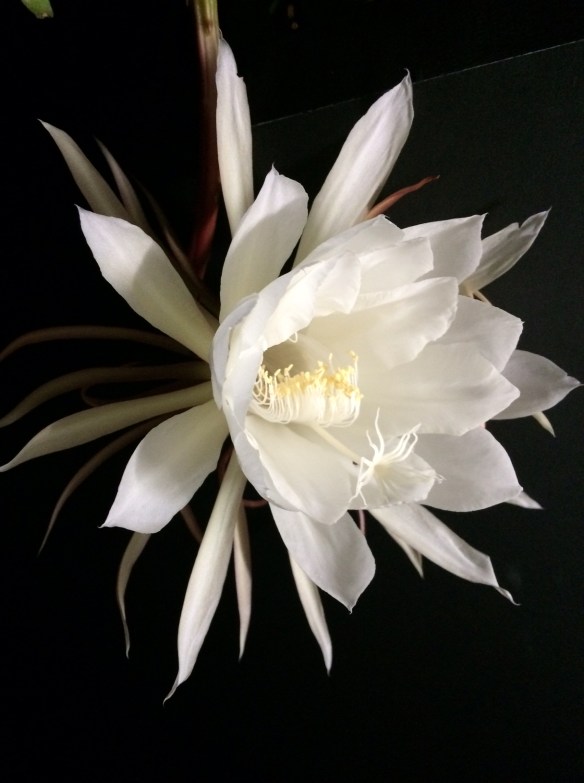
Photo by Pert Garraway Night Blooming Cereus
My friend sent me cuttings of her night blooming Cereus plants. She is a good gardener, and as her photo displays, she is an excellent photographer. But she would not be able to share this picture if she were not also willing to sacrifice some sleep (they only bloom at night) as well as patiently wait for the swelling buds to open. I removed my cuttings from their mailing envelope and put them into damp earth. But I, too, must wait as they begin to root and grow and bloom.

As I sit this morning, the first day of Advent, I think of this cycle and am reminded of another gift, the wonder of beginning again, of rooting and growing and waiting to experience the greatest mystery of all. .
Adult Advent Announcement
O Lord,
Let Advent begin again
In us,
Not merely in commercials;
For that first Christmas was not
Simply for children,
But for the
Wise and the strong.
It was
Crowded around that cradle,
With kings kneeling.
Speak to us
Who seek an adult seat this year.
Help us to realize,
As we fill stockings,
Christmas is mainly
For the old folks —
Bent backs
And tired eyes
Need relief and light
A little more.
No wonder
It was grown-ups
Who were the first
To notice
Such a star.
From If I Could Pray Again, by David Redding

wilted leaf lifts
edged with diamond beads
mercy falling in drops
quenches thirst
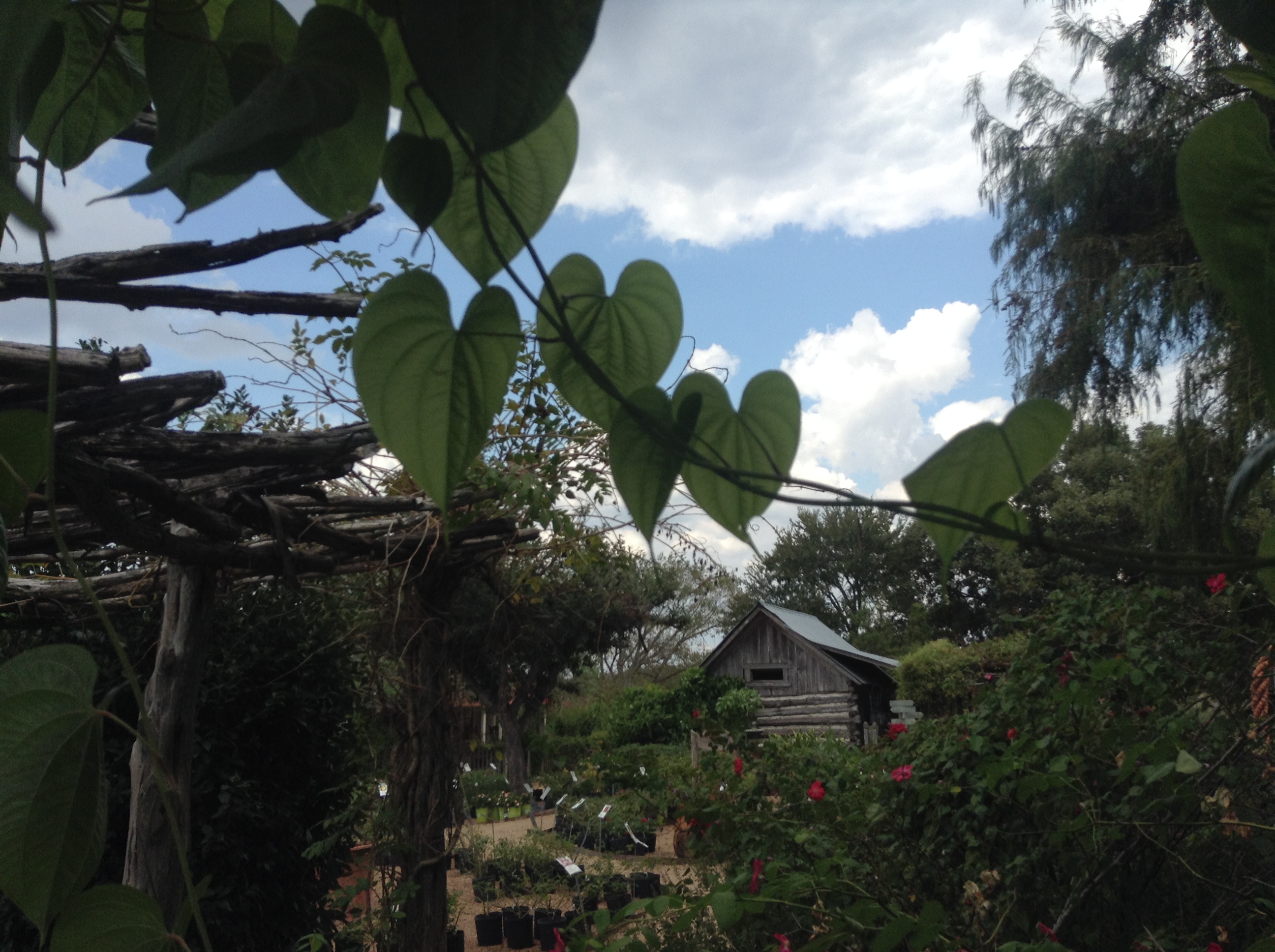
vulnerable
transparent
available
hanging hearts

clusters of jade tiles
circle wide from center
spreading shade for fish beneath
mosaic circles of respite
hiding place

“Wisdom begins in wonder.” ~Socrates
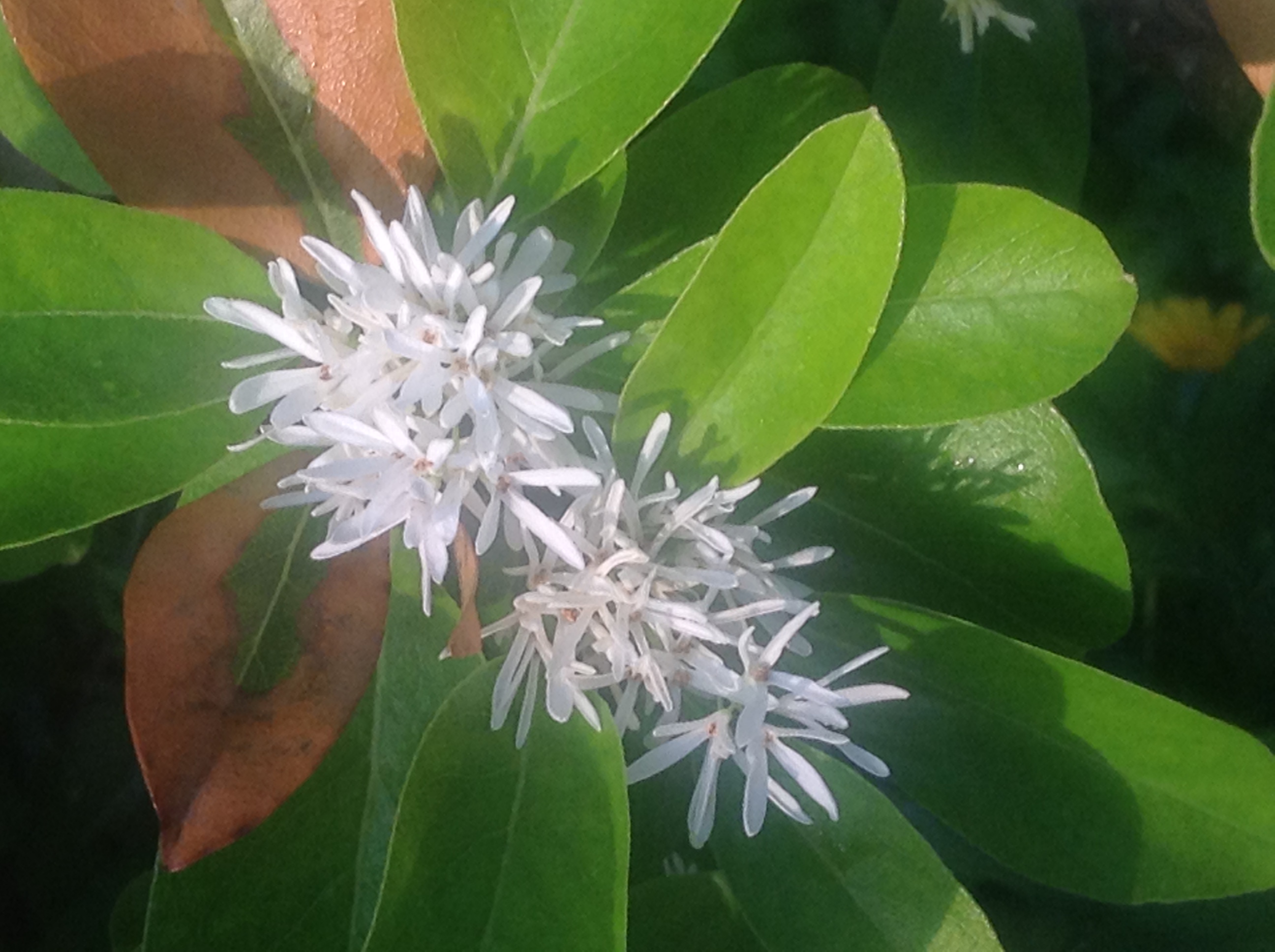 Last Easter we planted a Chinese Fringe tree in our front yard. It already had white blooms and as more opened, the tree was covered with clusters of small white blooms. It is a deciduous tree and the blooms appear after the leaves each Spring. As temperatures soared in July, we noticed a few brown leaves and then more. We made sure the little tree was watered deeply every day; for awhile it seemed that we would lose it. But over a period of weeks, new green leaves outnumbered the brown ones. Gradually, the tree announced its survival
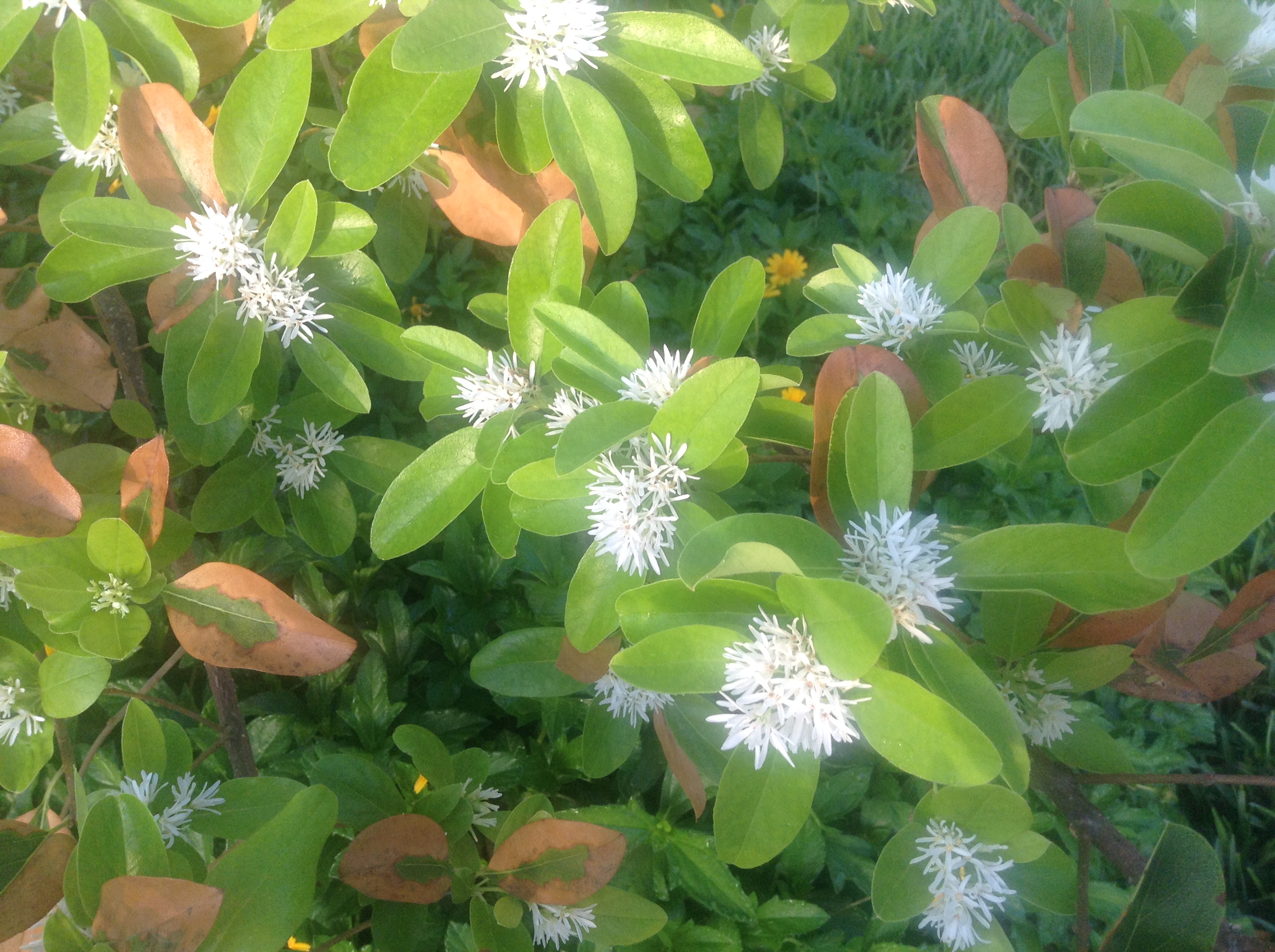 One day we noticed new white blooms! The tree evidently thought it had survived fall and winter and that Spring had returned!
Withering drought has caused loss of many trees in our area, particularly recently planted ones. I am glad our little tree is a survivor!. In the springtime we often talk about new beginnings and renewal. I am glad for the fringe tree’s lesson – when I am experiencing a season of drought in my soul, there can be another Spring.

Anyone who has been around small children knows how often we hear the question “Why?” I have been asking that question about my fig harvest this year. We have a fine fig tree in the garden that typically has so many green figs it is hard to keep up with the harvest as they ripen. This year we had an unusually wet June and although there were hundreds of green figs and they began to ripen early, harvest slowed and stopped completely in the second week. Our brutal Texas heat came on suddenly. My research tells me the tree went into conservation mode and began aborting its fruit. Even though we watered heavily, nothing brought back the production so the hard little green figs began to drop to the ground, wasted and of no use to anyone. Not even the birds would eat them.
The problem is that figs are shallow rooted and easily stressed. That reminded me of my own need for being rooted deeply to be able to take the heat and avoid reacting in damaging ways to the stress of our uncertain times!
” May your roots go down deep into the soil of God’s marvelous love;” Ephesians 3: 17, The Living Bible

Among the herbs in my garden, purple cone-flower, or Echinacea, stands out because of its flowering in our summer heat. It is not just a pretty bloom that looks like a purple daisy. Used for hundreds of years for its medicinal benefits, it could tell so many stories. The large center cones are actually seed heads. I am thinking of how many new plants can grow from only these three.
flower on in summer’s heat
build your mountain of seeds
to let them go
and begin another story
 Stones and Feathers