Fragrance


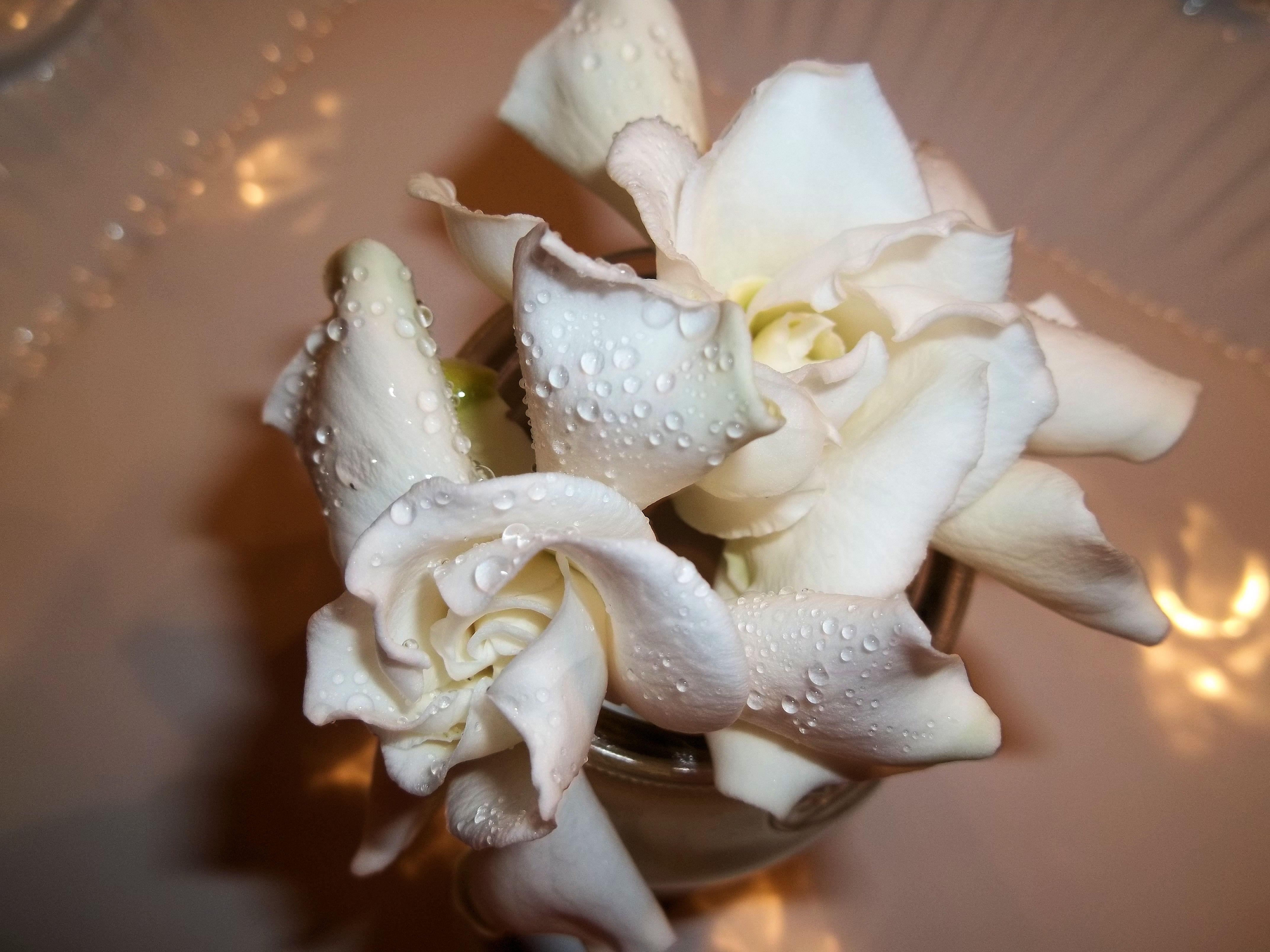
Paying attention is not just for eyes and ears. This week I am aware that being present to the fragrance in my garden brings a sharpened awareness of beauty and story. Joe brought these gardenias inside this morning. How lovely they are, shining with dew. But their sweet smell reached me before anything else.  I breathe deeply and say “thank you”, remembering all the way back to those that bloomed by our front porch when I was a little girl.


Pay Attention

“To pay attention, this is our endless and proper work.”   ~  Mary Oliver, “Yes! No!”

Joe and I attended the same highschool in Jacksonville, Texas . Over fifty years later, we talk about how grateful we continue to be for good teachers who taught us well, expected much, and by their example and instruction gave us more than knowing how to construct sentences, write paragraphs, solve equations, and appreciate art,  history,  geography, music and sports.  Lois Boles, Frances Childress, James Everett, Mr. Mosely, Signora Mullinix,  Jerry Robinson, Bill Ingram spring to mind quickly.  But a spry lady we called Miss Kate (Kate Stadler) who taught typing, used an expression so often in her classes that we still use it.   “Pay Attention!”  Miss Kate demanded attention to detail with expected results in skill and accuracy.  I am pretty sure she didn’t intend application beyond keyboard skills or think that as years went on, paying attention would be a skill that would become something to live by.  I am certain that I did not understand the phrase as more than a requirement until much later.  In its simplicity, there lies a risk of underrating its scope and impact. But it has become a compelling imperative, one that helps me see the intersection of faith and creation and art. No surprise, my favorite Mary Oliver quotation expresses this well.

“Instructions for living a life:

Pay attention…

Be astonished…

Tell about it!”              ~  Mary Oliver, “Sometimes”

Secret Garden

A book which is now considered  a classic children’s book of the twentieth century, Secret Garden by Frances Hodgson Burnett was published as a novel in 1911.   Its story, full of loss and gain, tragedy and triumph develops as children and a garden grow and change.  There have been a number of productions produced for movies and television which bear the name and tell the story. But the movie version created in 1949 is the one which lives in my memory.  I was 9 years old, and not allowed to see many films.  The scene which so impressed me was one of sudden change. Almost the entire film is in stark black and white. The scene in which the door to the garden is opened to reveal the beauty of the garden in vivid Technicolor created a breathtaking moment.  Little girls weren’t the only ones to gasp.

It is only these many years later that I am understanding that I was far more than entertained by this. In this story, it is only as Mary begins to think of others rather than herself that she became more than a spectator of the garden.  As her perception as well as her vision changed,  the garden became more beautiful.

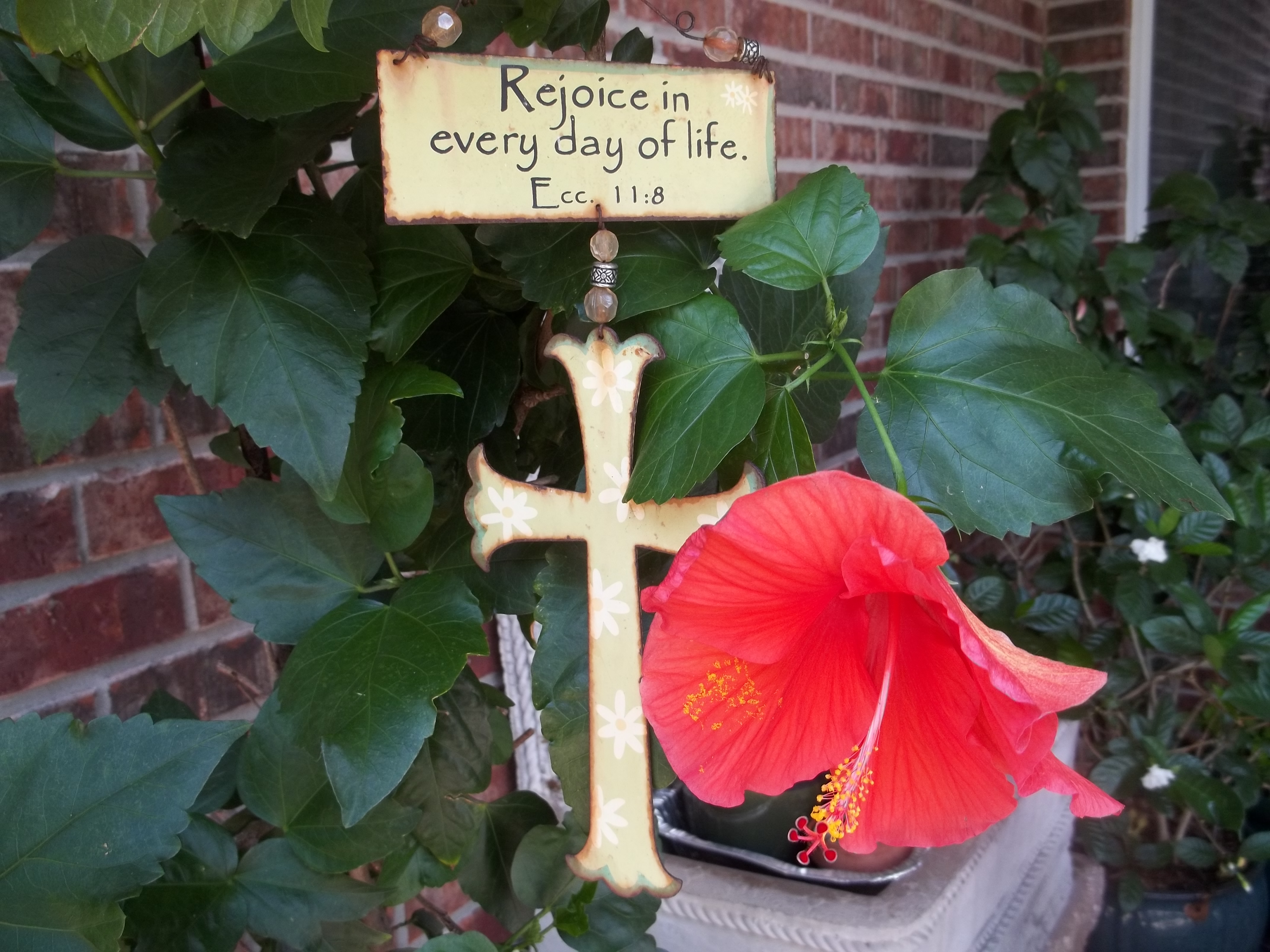
This photo is a sign in our garden that has become intertwined in a yellow climbing rose.  It reminds me of that other Mary, and of the miracles created when I see beyond myself.

“And the secret garden bloomed and bloomed and every morning revealed new miracles.” ― Frances Hodgson Burnett, The Secret Garden


Lichen

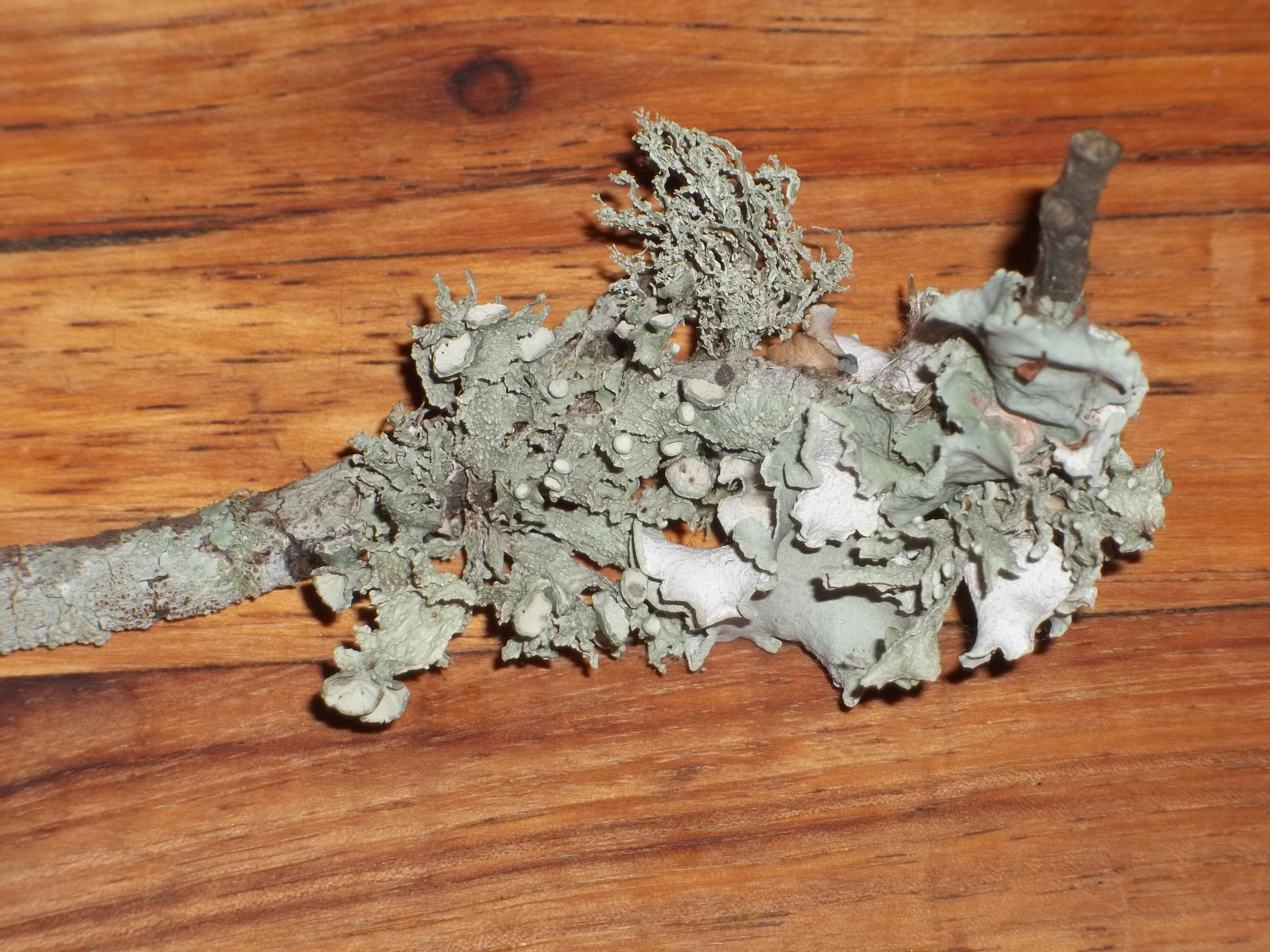
Lichens are intriguing. Often the first form of life to colonise a new area of rock, they are commonly seen and also commonly overlooked. They frequent older buildings, stone walls, and most perennial plants, particularly trees. Lichens are important because they often occupy niches that, at least sometime during the season, are so dry, or hot, or sterile, that nothing else will grow there.

In the hot and dry times in my life that seem unproductive, it may be that Grace is growing a bit of lichen – some small ruffled newness that needs no notice but still proclaims life and growth.

Yes

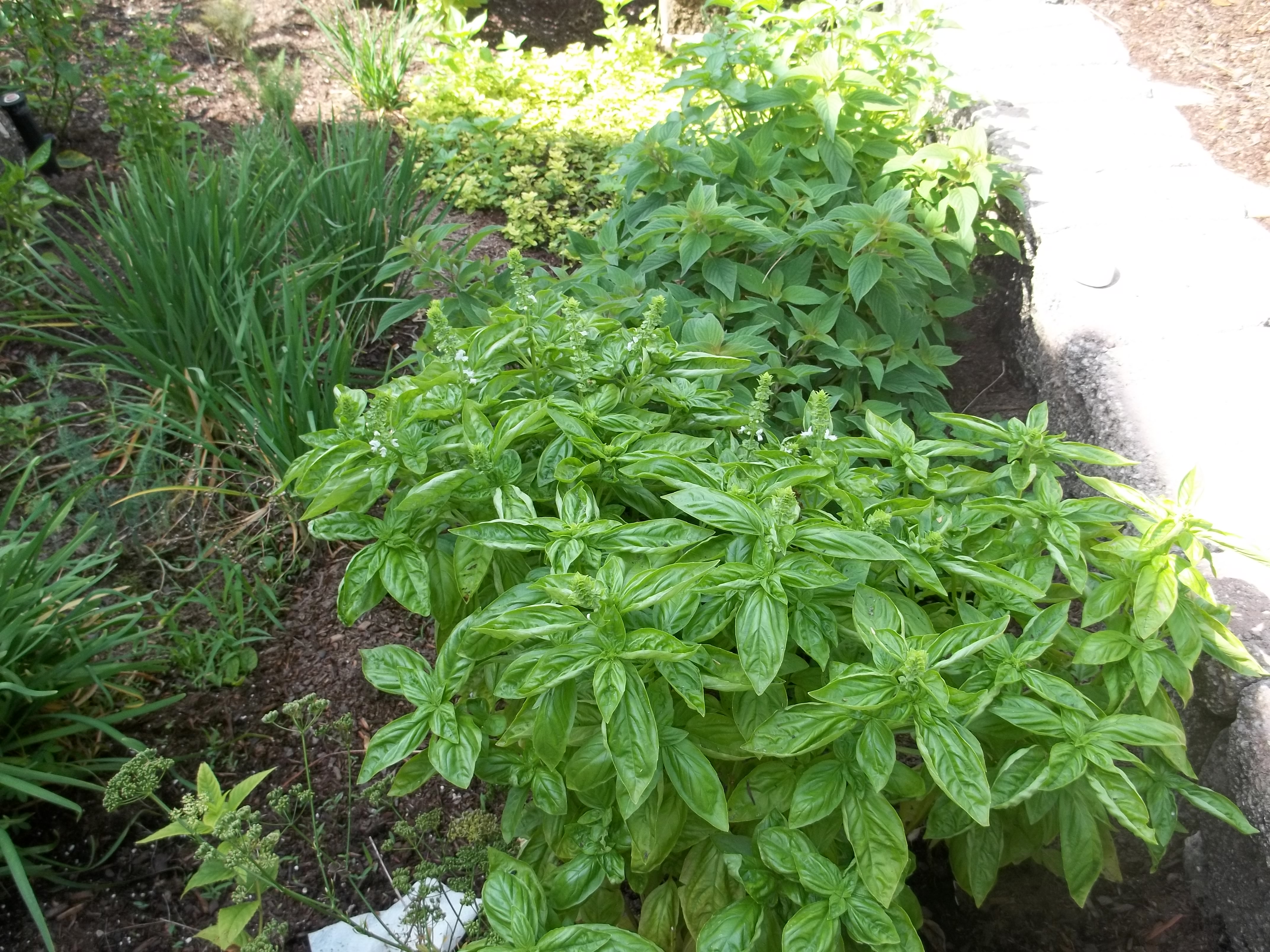
It is easy to fall prey to complaining these days when the temperature registers 105 and most people, animals, and plants slow their pace and wilt.  I remind myself that the same blistering sun that sears my skin and makes getting into my truck seem like opening an oven door also flavors my herbs and ripens the figs on our tree. Lord, help me be alert to the yes in every day.

i thank You God for most this amazing day:for the leaping greenly spirits of trees and a blue true dream of sky; and for everything which is natural which is infinite which is yes
(i who have died am alive again today, and this is the sun’s birthday; this is the birth day of life and of love and wings: and of the gay great happening illimitably earth)
how should tasting touching hearing seeing breathing any–lifted from the no of all nothing–human merely being doubt unimaginable You?
(now the ears of my ears awake and now the eyes of my eyes are opened)

— from E.E. Cummings: Complete Poems 1904-1962, by e. e. cummings

Sabbath Song and Shade

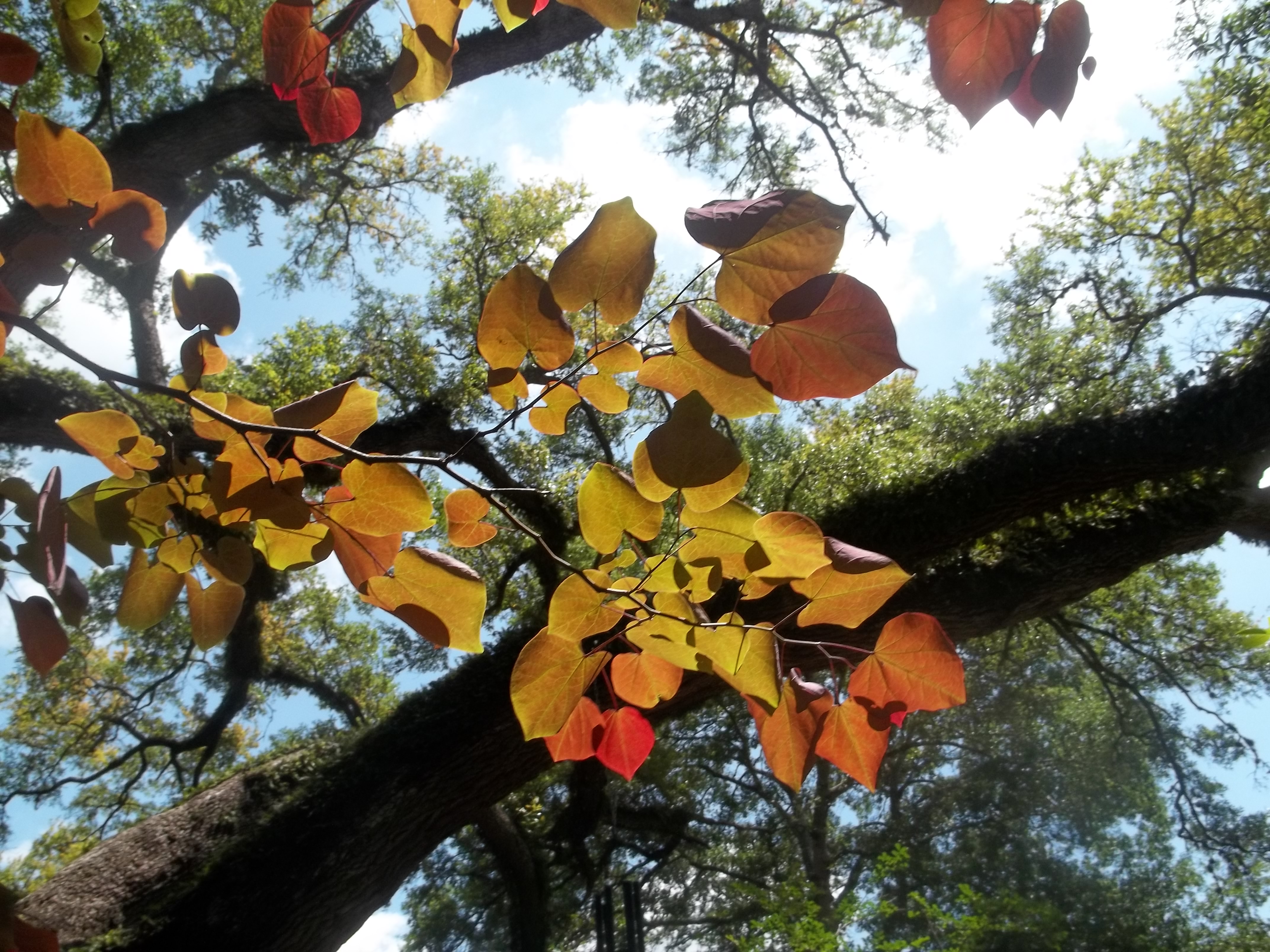
Image of Redbud tree leaves in prayer garden of First Baptist Church, Richmond, Texas. 

The clearing rests in song and shade.

It is a creature made

By old light held in soil and leaf,

By human joy and grief,

By human work,

Fidelity of sight and stroke,

By rain, by water on

The parent stone.

We join our work to Heaven’s gift,

Our hope to what is left,

That field and woods at last agree

In an economy

Of widest worth.

High Heaven’s Kingdom come on earth.

Imagine Paradise.

O Dust, arise!

~Wendell Berry, Sabbath Poem VII (1982)

Silence

“Perhaps the most important thing we bring to another person is the silence in us, not the sort of silence that is filled with unspoken criticism or hard withdrawal. The sort of silence that is a place of refuge, of rest, of acceptance of someone as they are. We are all hungry for this other silence. It is hard to find. In its presence we can remember something beyond the moment, a strength on which to build a life. Silence is a place of great power and healing.”
― Rachel Naomi Remen

After all these years, I am still learning to look before I leap and listen before I speak.  The latter is often hard for me.  Another’s outpouring of worry,  angst,  anger or sadness can make us think we are being asked for advice or to “fix it.”  Many times, the need for just having someone to listen to what we need to say is greater than any verbal response we can make.  I love sitting outside in our garden because it offers both solitude and silence.  I also love sharing that space with others and feeling the quieting that comes to us both.  The still silence speaks of the centering, settling presence of God.

Beautiful?

When I was making some purchases at our favorite garden supply shop, I saw a wall decoration that simply had the words “just as the caterpillar thought its world had ended…it became a butterfly.”  For most of us, it is so much easier to admire the beauty in the floating and flitting of  irridescent butterfly wings than the bulges of voracious caterpillars or the lump on a twig that is a chrysalis.  Yet beauty and wonder are there if we see more than a worm.  Maddie brought in tiny larvae she found in the garden.  We found a glass jar, supplied extra host plants for food, and watched them grow.  Jordann, although a bit skeptical at first, became intrigued as she watched the caterpillars eat and eat and eat.

In her book My Grandfather’s Blessings, cancer physician and master storyteller Rachel Naomi Remen quotes Proust by saying that the voyage of discovery lies not in seeking new vistas but in having new eyes.  She says that she sometimes suggests to depressed patients that they review the events of their day for fifteen minutes in the evening by asking three questions and writing the answers in a journal.  1.  What surprised me today?  2.  What moved me or touched me today?  3.  What inspired me today?  In this chapter, which is titled “Finding New Eyes”, she tells of one patient who told her he answered the questions with “Nothing, nothing, and nothing” in the beginning, but that gradually he realized he was building a capacity he had never used, so that he began to see things differently.  Maddie and Jordann have a capacity for seeing that I hope they never loose.

“Most of us lead far more meaningful lives than we know.  Often finding meaning is not about doing things differently; it is abut seeing familiar things in new ways…We can see life with the eye, with the mind, with the intuition…But perhaps it is only by those…who have remembered how to see with the heart, that life is ever deeply known or served.”

~  Rachel Naomi Remen

Seeing

Recently I heard a radio interview with an artist who contended he wanted people to look at his work. He said folks go to “see” a movie, but people really “look” at paintings. Without mentioning there can be art in making films just as there is creative expression in other media, I disagreed in his use of the two viewings as one being superior to the other. I believe the question lies in whether either results in true recognition. From its beginning, Stones and Feathers has been a blog subtitled “A Different Way of Seeing.” Contemplative seeing, or seeing with the eyes of the heart is a work of the spirit as well as simply receiving images. So much of my photography and writing is simply an effort to pin down these results and express my gratitude for them.

This video was prepared by a student in a class taught by my friend Sheila Otto. Sometimes I experience something so penetrating and true I weep. My granddaughter Skye once told me the beauty in a red strawberry she was slicing made her whisper. When I viewed Dietrich Ludwig’s film, I cried while I whispered “Thank You.” I share the video with his permission and in tribute to my son, Ben, a man with an extraordinary, different way of seeing. His physical vision loss as yet has no surgical correction, but he lives every day with courage, fortitude, and the beauty that is experienced by seeing with the eyes of his heart.

Video from KarmaTube

The film also spoke to me since I was diagnosed in 2005 with Fuch’s corneal dystrophy for which there is no cure, only transplants as an option. My vision deteriorated so rapidly that I (who had been Ben’s reader and driver for so many years) became unable to read or drive. I received cornea transplants in May and July of 2006 and have very good vision at present although still followed closely by the surgeon. I am grateful to the two donor families who made these surgeries possible for me by their gifts.

Please note that the young man who created the video is dyslexic. He has trouble with letters and numbers, but pictures are his best way of learning and communicating. That is the reason he has chosen to work with photography. Thank you, Dietrich Ludwig, for what you see.

Dragonfly

I love the other living creatures God made who share my garden!  This amazing dragonfly, butterflies who have found their host plants in the dill of my herb garden or milkweed along the path, ladybugs who help control other insects, the earthworms in our compost, birds that sing a hallelujah chorus to us every morning., even the naughty squirrels that raid the bird feeder.  Each has its own lesson to teach, its own joy to share.  May I have eyes that see, ears that ear, and a heart tuned to sing God’s grace!

“Field and forest, vale and mountain, flowery meadow, flashing sea, Singing bird and flowing fountain call us to rejoice in Thee.”   ~ from Henry Van Dyke’s poem set to Beethoven’s “Ode to Joy.”