And Now, I Bud Again

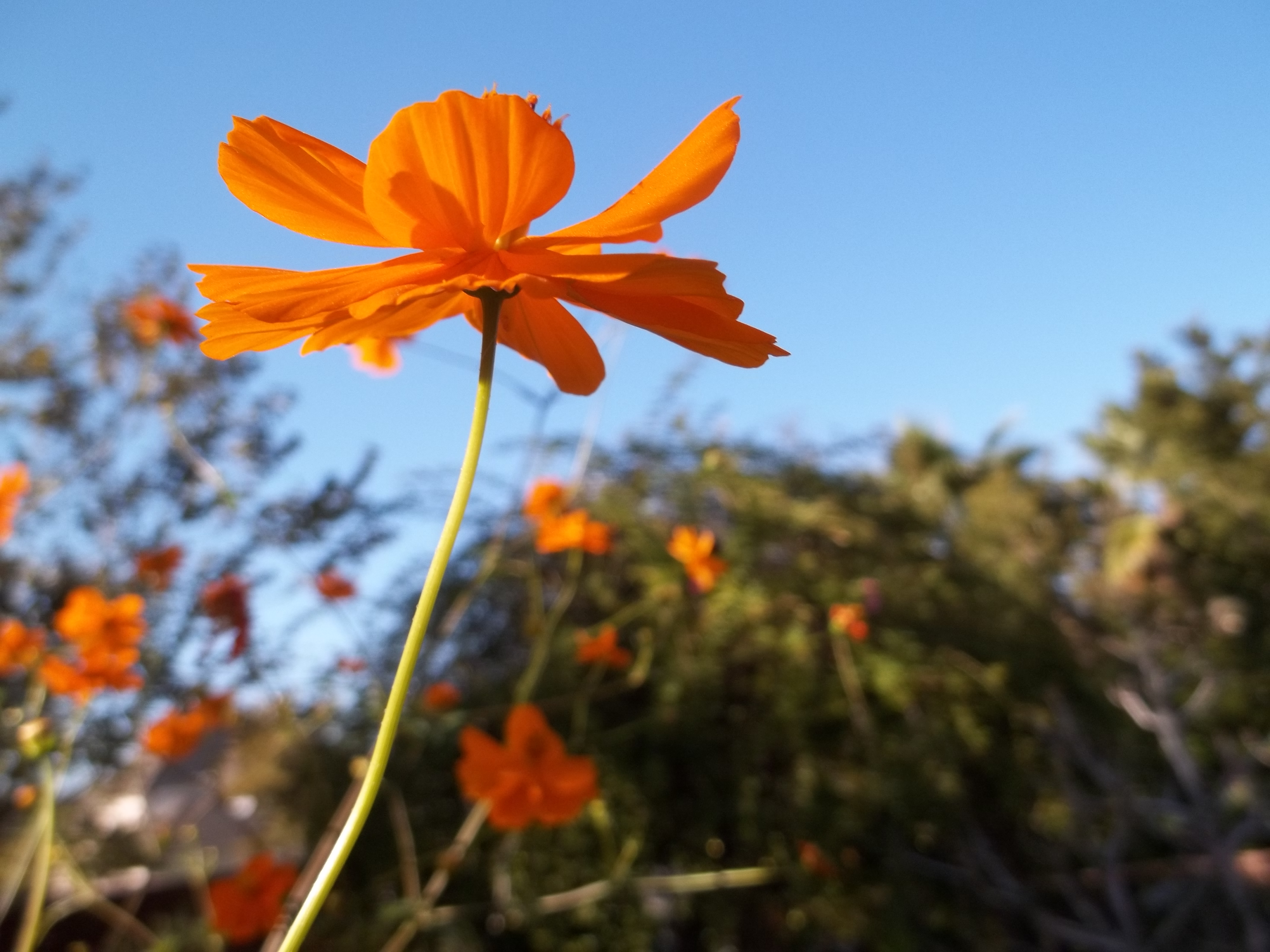
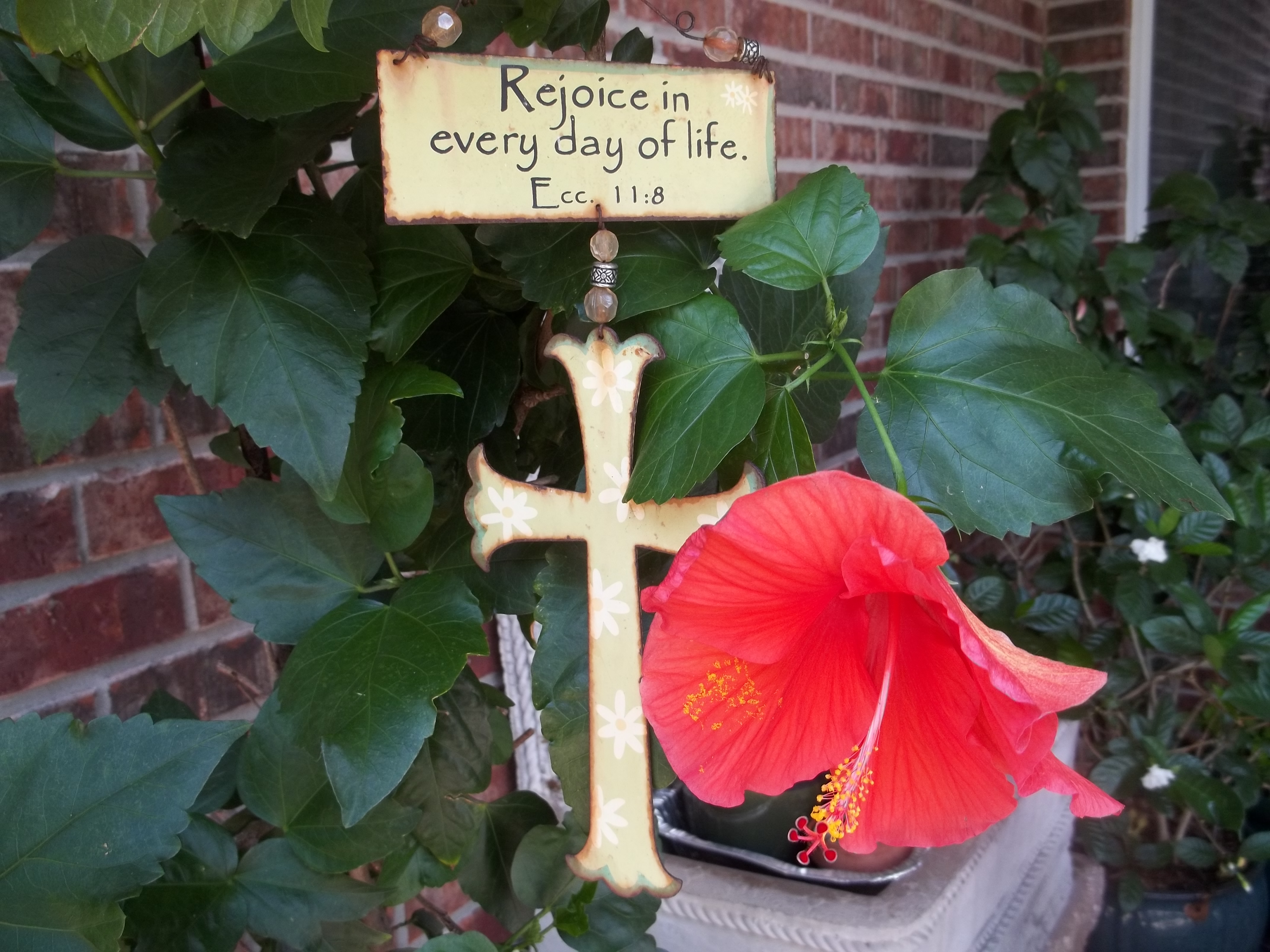
A seed from some Cosmos planted in a nearby bed drifted over to a flower pot where this bloom is on a single plant that has become a giant reminder of parent plants much smaller and long gone.  This is more a bush, and is now taller than me!  It is covered with flowers that compete with the sunset in their vivid color.  It is an unexpected gift and I love it.

“And now in age I bud again after so many deaths I live and write; I once more smell the dew and rain, and relish versing.”  ~ George Herbert

Lagniappe

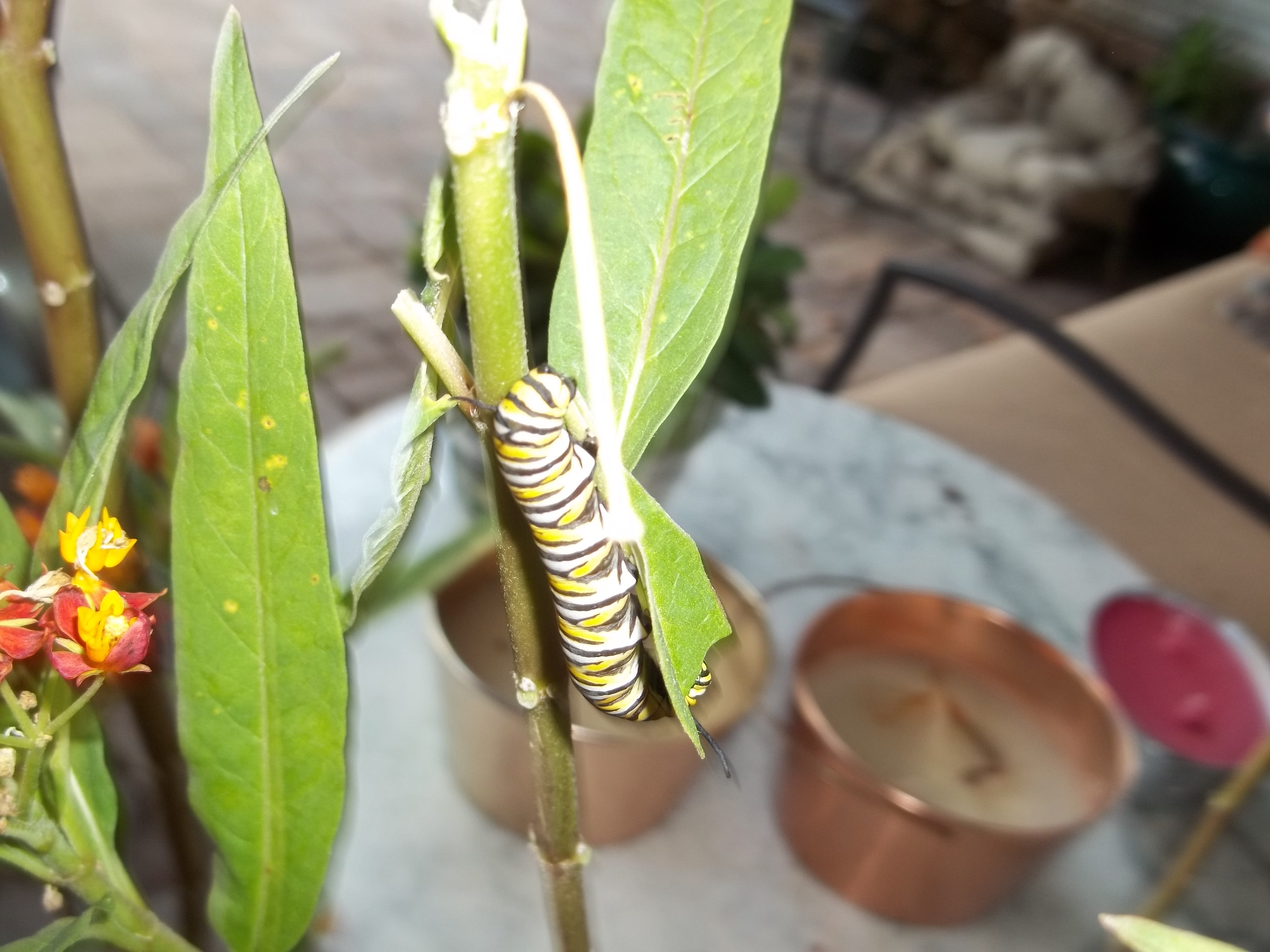
Recently our favorite garden center had a greenhouse sale. It is hard for me to pass up plants we love to have in our garden on sale for $2, so I came home with a large healthy milkweed.  I parked it on the back porch until I could pick a good spot in the yard for it. I shouldn’t be surprised since I know that milkweed is the only plant on which Monarch butterflies lay their eggs, but was pleasantly amazed the next day when I discovered my lagniappe – 6 tiny caterpillars munching away at the milkweed leaves.  I had to laugh as I remembered a conversation I overheard while I was looking at the nursery plants.

A lady standing next to me said  yes, this was a good buy for such a large plant but she had one like it and caterpillars kept eating it up.  I smiled and reassured her that meant she would have alot of butterflies, too, since the caterpillars would crawl off to neighboring spots, form a chrysalis, and emerge as Monarchs.  She looked at me and stomped off complaining that the butterflies were OK but she couldn’t take the caterpillars.

It is true, the little yellow and black wigglers completely stripped my new plant, so much that I took caterpillars and all out to another milkweed in the garden and let them lunch there too.  Within a few days there were no leaves left, and no caterpillars either.  Now as I enjoy the flickering color of butterfly wings I am happy they had what they needed to become what they are.  Today I see that both milkweed plants have new leaves popping out all along their branches. I am thankful for learning to let the caterpillars be.

Mark Twain writes about the word in a chapter on New Orleans in Life on the Mississippi (1883). He called it “a word worth traveling to New Orleans to get”:

We picked up one excellent word — a word worth travelling to New Orleans to get; a nice limber, expressive, handy word — “lagniappe.” They pronounce it lanny-yap. It is Spanish — so they said. We discovered it at the head of a column of odds and ends in the Picayune, the first day; heard twenty people use it the second; inquired what it meant the third; adopted it and got facility in swinging it the fourth.”…  It is something thrown in, gratis, for good measure.

See and Tell

Pay attention         Be astonished        Tell about it       ~Mary Oliver

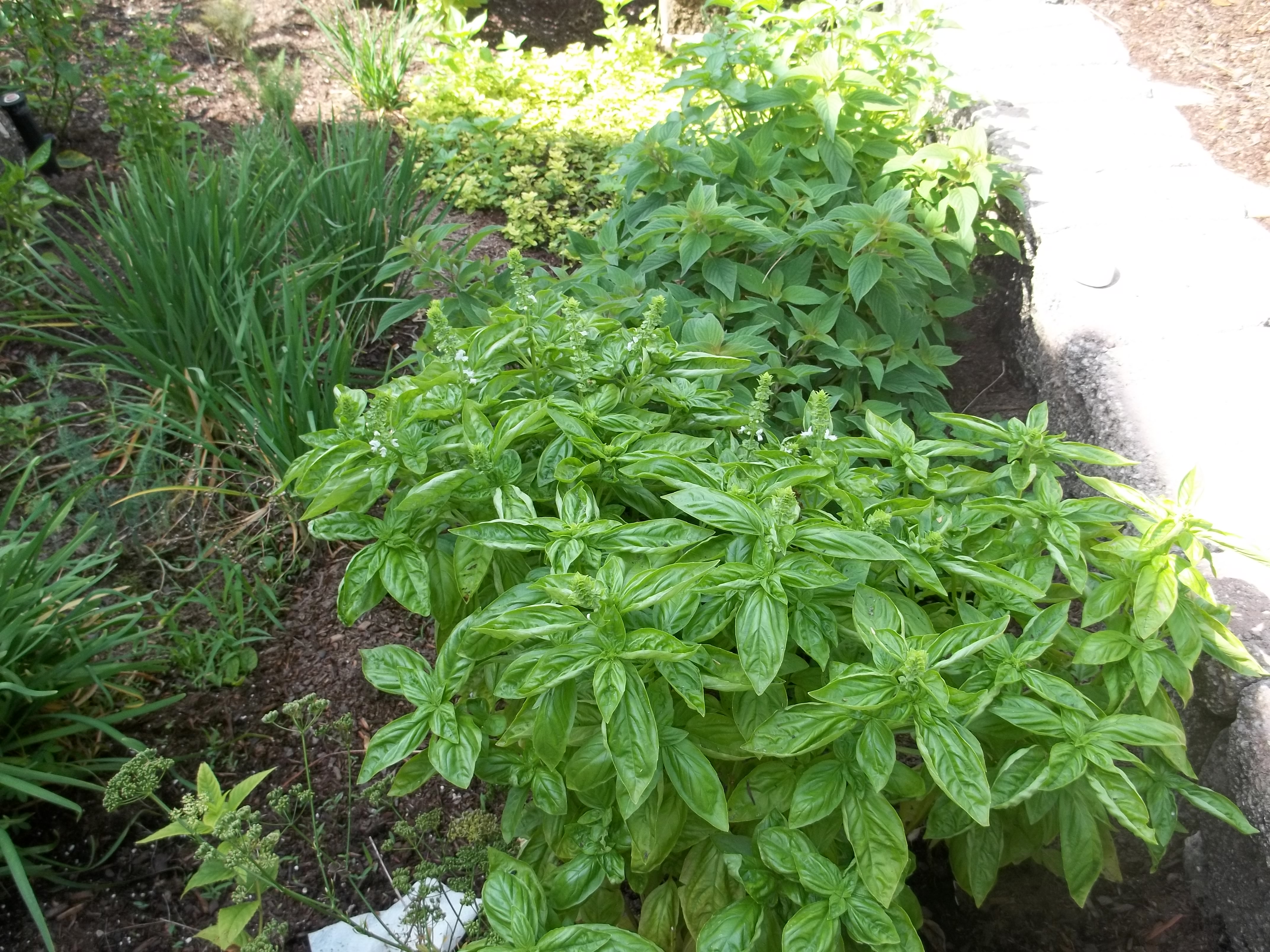
Small children often have a practice at school called show and tell.  That seems to be kin to Mary Oliver’s words.  First you have to notice, to really see before you can choose something to show or have its description to tell about.  I grow a great many herbs in my garden.  Each has unique characteristics of growth and appearance and fragrance. Part of the joy of tending this garden is in seeing and knowing the differences.

This Cuban Oregano is one of my favorites for its beauty – softly variegated colors on aromatic velvet leaves that I love to touch. I like the way it leans into our weathered wood fence as if to press its restoring oil into the splintered plank.  When I water the plants around it, I look for it, I pay it attention.  I am rewarded with fresh amazement at the loveliness of growing things, surviving the heat of summer and thriving.

“Seeing is of course very much a matter of verbalization.  Unless I call my attention to what passes before my eyes, I simply won’t see it.  It is, as Ruskin says, ‘not merely unnoticed, but in the full, clear sense of the word, unseen.’  I have to say the words, describe what I’m seeing…But if I want to notice the lesser cataclysms of valley life, I have to maintain in my head a running description of the present.”   ~ Annie Dillard, from Pilgrim at Tinker Creek

Beyond First Sight

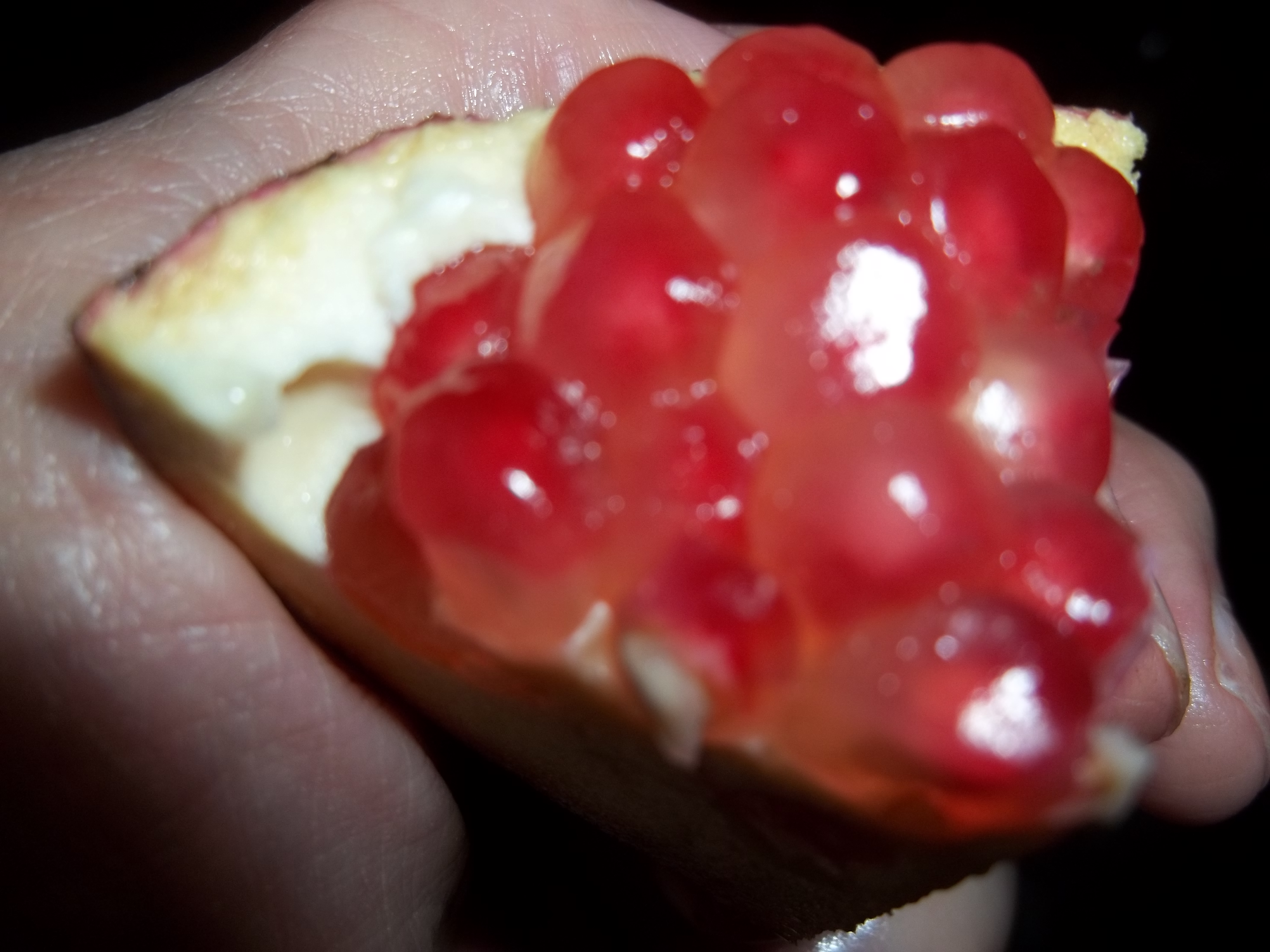
Our pomegranate harvest won’t win any beauty contests.  Most of the smallish globes that make the thin tree branches droop down don’t look at all like those available in supermarkets.  No luscious rounds of rouged skin here.  I am not sure what it is, but some blight attacked the trees and left these dark freckles on the skin of all our fruit. But I learned a long time ago that it is not what’s on the outside that counts with pomegranates and people.  I cut the tough skin, submerged the pieces in a bowl of water to break apart the arils inside, and look at the scarlet, glistening, juicy results!

Now comes the reward!  A handful of these seeds drips intense flavor and power packed nutrition!  I love the sweet yet tart pop of juice each tiny aril provides. We like them for snacks, but I will also use them to top salads, make salad dressings, and squeeze some for juice to freeze.

My garden as always teaches me truth – take time to look beyond the exterior. Soon it will be time to harvest the Meyer lemons.  I think their lesson is going to be “don’t give up!” It took a few years for this tree to have more than a few lemons but this year there are too many to count.  Don’t worry, I have a list of “100 things to do with Meyer Lemons!”

After the Bloom

I will repeat myself:  I love Magnolia trees. Just over a year ago, in May, 2011, I photographed Magnolia blooms from our tree, and posted them here with words about their beauty and my admiration of them.

We emphasize the fresh beauty of the flowers of so many plants in their seasonal displays of new life and color.  Rightly so, for it is in the flowering that many growing things are the most lovely and appealing.  We even use the term “gone to seed” to apply to things that are past this stage and  are not well kept or have declined to become rundown and useless. Indeed, the annuals in our gardens will run their course, finish their blooming, and wither with the first frost to die, be uprooted by the gardener, and replaced with new, young plants come Spring.

But oh my, what we miss if we enjoy only the blooming of the Magnolia.

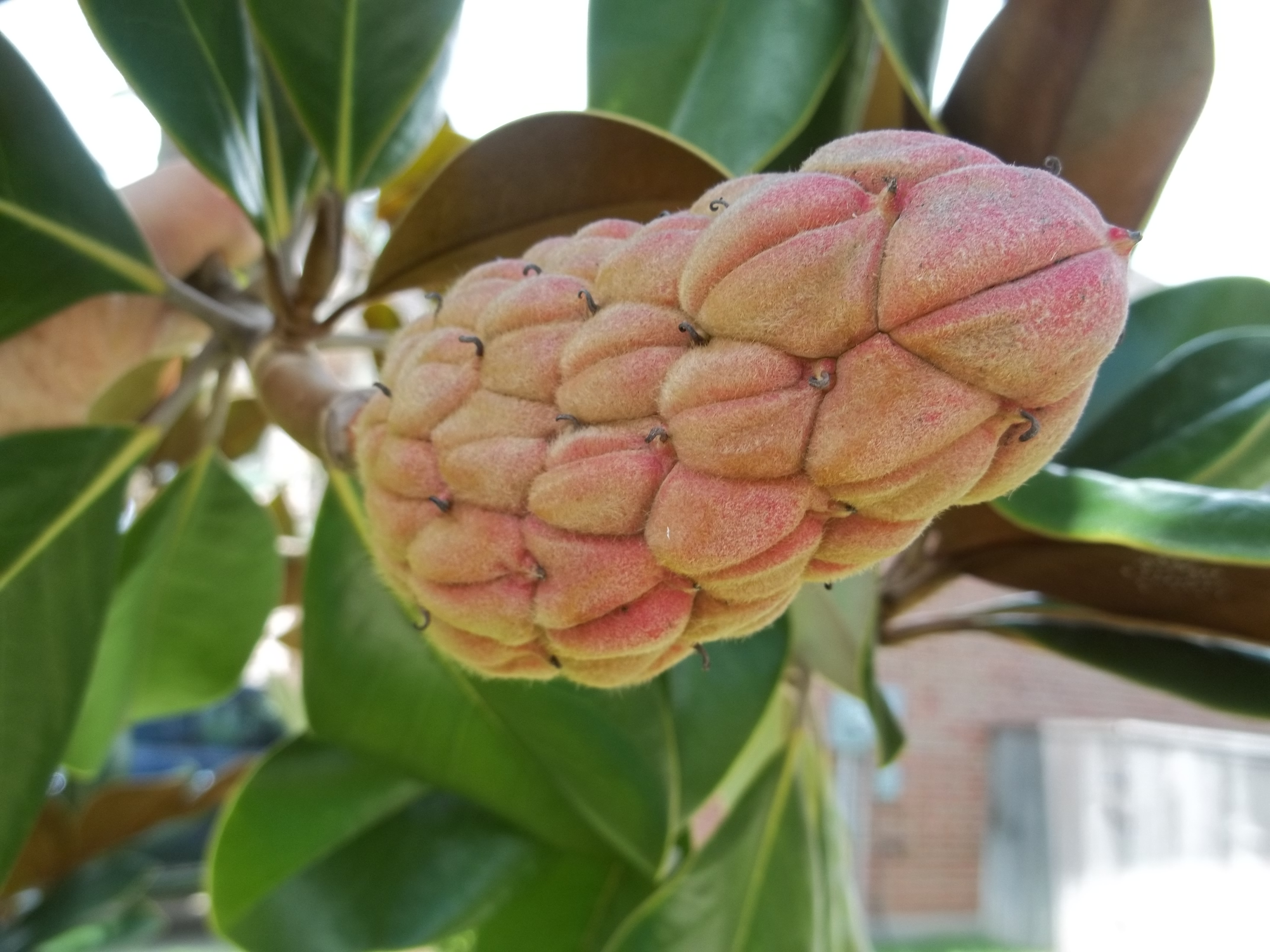
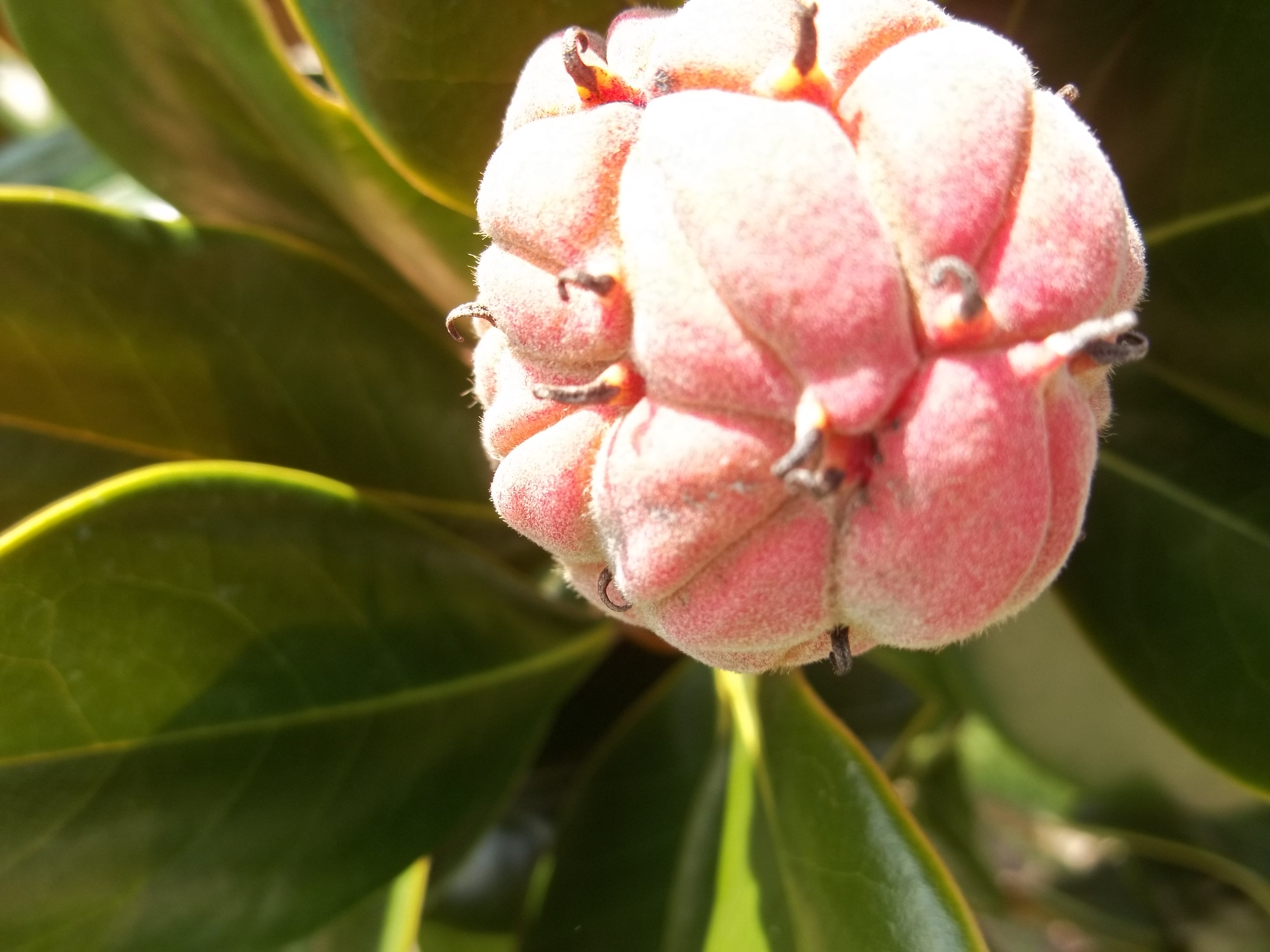
Once the creamy flower petals have become leathery and caramelized, they fall off, leaving a center cone that swells with seed. Early on, it resembles some exotic fruit, a blushing tufted pillow covered with velvet.

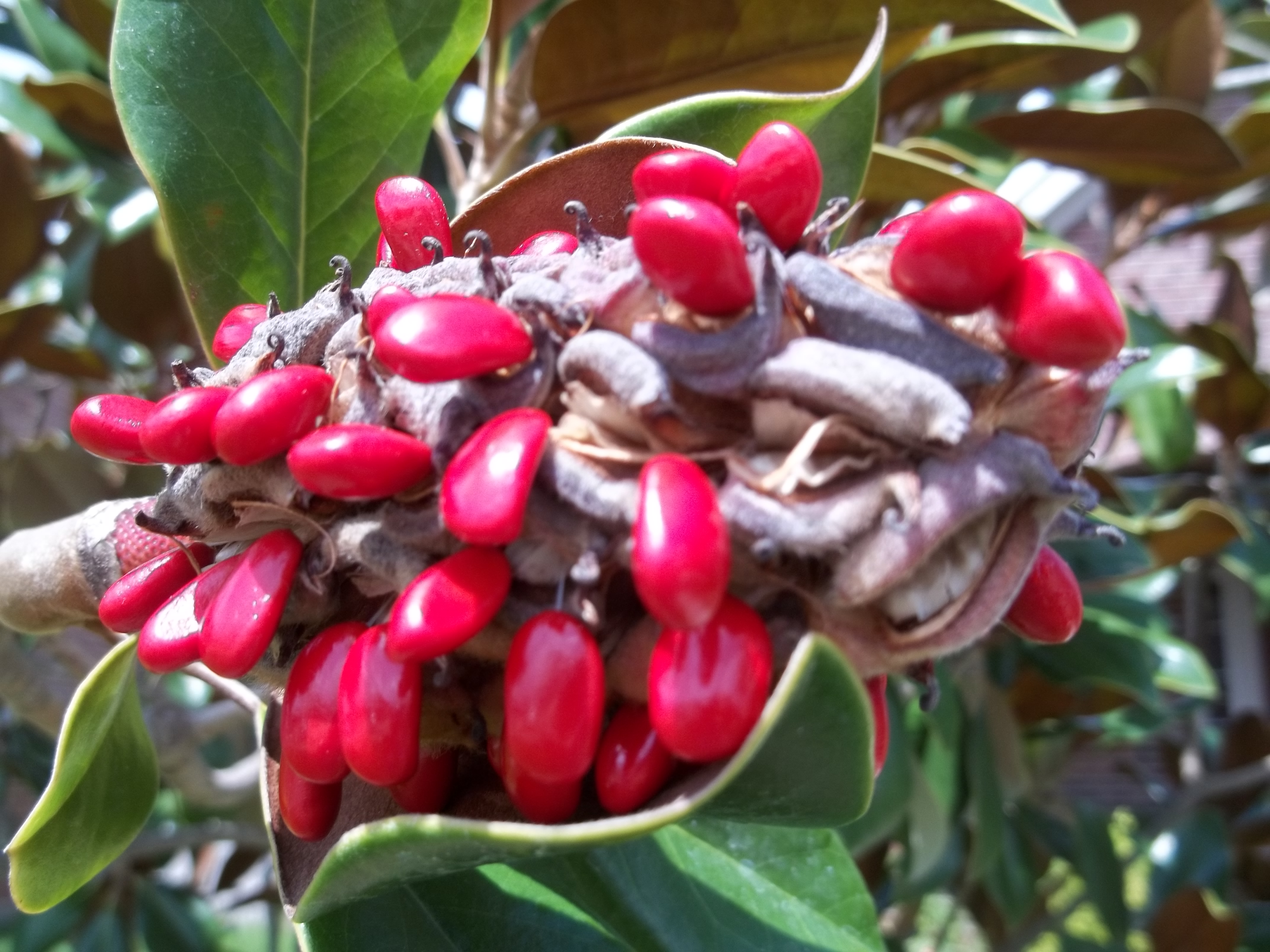
Left on the tree, the tufted pods begin to burst, revealing treasure inside: shiny scarlet seeds holding on with a single silken thread.

Songbirds love these seeds. Coveted by those who craft holiday wreaths and decorations, the vivid cones and seeds often get harvested by eager hands. If left alone, the seeds turn black and fall to the ground.  I think I love Magnolias even better after the bloom.

Breathe

When I visited one of the garden centers in Houston recently, this sign caught my eye since I had just written the previous post about fragrance.  Many of the plants in our back yard garden could be labeled “featuring fragrance.”  A plant that is new to me is actually a very old-fashioned one.  Sweet almond verbena reaches out to my nose with its sweet smell and a hint of vanilla.  It is no surprise to find that this reminds me to pray with each breath, inhaling God’s goodness and peace and letting out all my fretting. Remembering the Biblical references to our prayers as a fragrant incense, I smiled when I read that another name for this plant is Incense Bush.  Breathe!

Fragrance


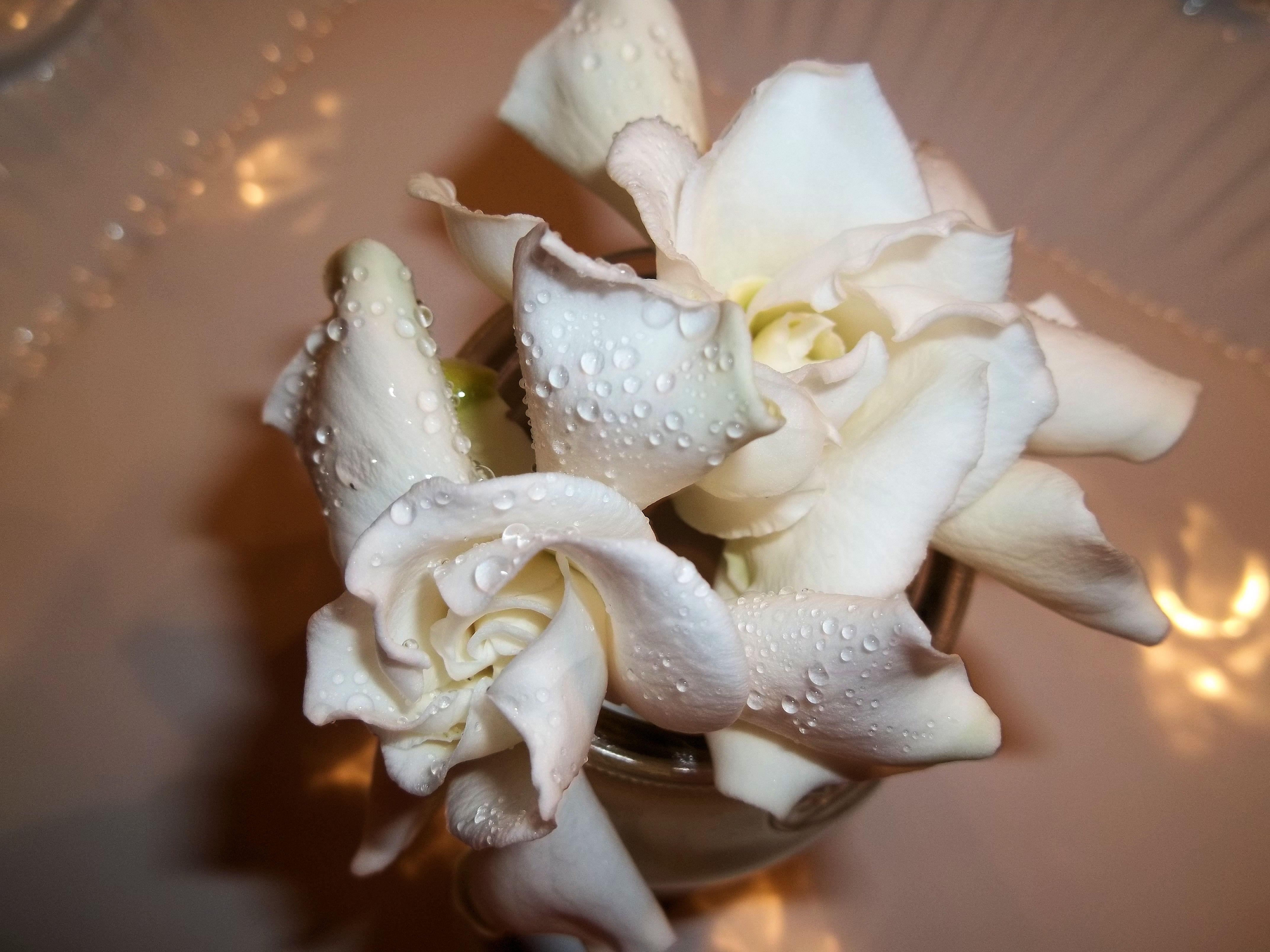
Paying attention is not just for eyes and ears. This week I am aware that being present to the fragrance in my garden brings a sharpened awareness of beauty and story. Joe brought these gardenias inside this morning. How lovely they are, shining with dew. But their sweet smell reached me before anything else.  I breathe deeply and say “thank you”, remembering all the way back to those that bloomed by our front porch when I was a little girl.


Secret Garden

A book which is now considered  a classic children’s book of the twentieth century, Secret Garden by Frances Hodgson Burnett was published as a novel in 1911.   Its story, full of loss and gain, tragedy and triumph develops as children and a garden grow and change.  There have been a number of productions produced for movies and television which bear the name and tell the story. But the movie version created in 1949 is the one which lives in my memory.  I was 9 years old, and not allowed to see many films.  The scene which so impressed me was one of sudden change. Almost the entire film is in stark black and white. The scene in which the door to the garden is opened to reveal the beauty of the garden in vivid Technicolor created a breathtaking moment.  Little girls weren’t the only ones to gasp.

It is only these many years later that I am understanding that I was far more than entertained by this. In this story, it is only as Mary begins to think of others rather than herself that she became more than a spectator of the garden.  As her perception as well as her vision changed,  the garden became more beautiful.

This photo is a sign in our garden that has become intertwined in a yellow climbing rose.  It reminds me of that other Mary, and of the miracles created when I see beyond myself.

“And the secret garden bloomed and bloomed and every morning revealed new miracles.” ― Frances Hodgson Burnett, The Secret Garden


Yes

It is easy to fall prey to complaining these days when the temperature registers 105 and most people, animals, and plants slow their pace and wilt.  I remind myself that the same blistering sun that sears my skin and makes getting into my truck seem like opening an oven door also flavors my herbs and ripens the figs on our tree. Lord, help me be alert to the yes in every day.

i thank You God for most this amazing day:for the leaping greenly spirits of trees and a blue true dream of sky; and for everything which is natural which is infinite which is yes
(i who have died am alive again today, and this is the sun’s birthday; this is the birth day of life and of love and wings: and of the gay great happening illimitably earth)
how should tasting touching hearing seeing breathing any–lifted from the no of all nothing–human merely being doubt unimaginable You?
(now the ears of my ears awake and now the eyes of my eyes are opened)

— from E.E. Cummings: Complete Poems 1904-1962, by e. e. cummings

Sabbath Song and Shade

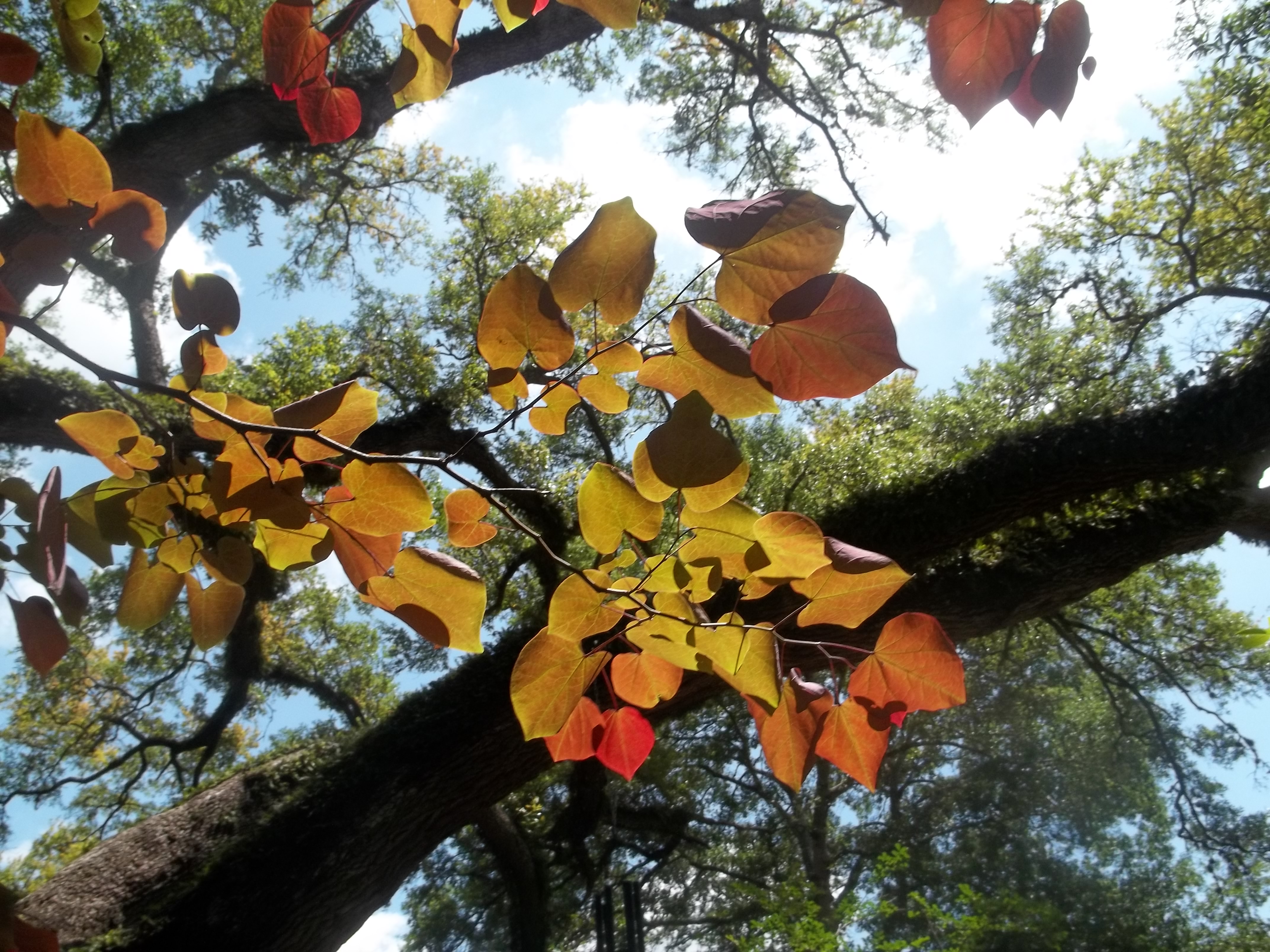
Image of Redbud tree leaves in prayer garden of First Baptist Church, Richmond, Texas. 

The clearing rests in song and shade.

It is a creature made

By old light held in soil and leaf,

By human joy and grief,

By human work,

Fidelity of sight and stroke,

By rain, by water on

The parent stone.

We join our work to Heaven’s gift,

Our hope to what is left,

That field and woods at last agree

In an economy

Of widest worth.

High Heaven’s Kingdom come on earth.

Imagine Paradise.

O Dust, arise!

~Wendell Berry, Sabbath Poem VII (1982)